
Statue of David and Our Frontal Plane

Vincent Hanneken, PT/Owner
By Vincent Hanneken, PT/Owner
When you ask someone about posture, they will most likely imagine the side view of a person sitting at a desk or standing, evaluating how upright they are, how rounded their upper back looks, or how far forward their head is. All of this is relevant when assessing posture, but it only considers the body from the side. (By the way, we did a whole newsletter back in September on forward head posture and how the head gets heavier the more forward it leans. Check it out on our website under “Health Tips.”)
Don’t get me wrong — side views are important. But when evaluating posture, the view from the front or back provides interesting data and valuable information to help us understand where stress and tightness are starting to accumulate, which can affect range of motion, cause compensation, and ultimately become the culprit behind your pain.
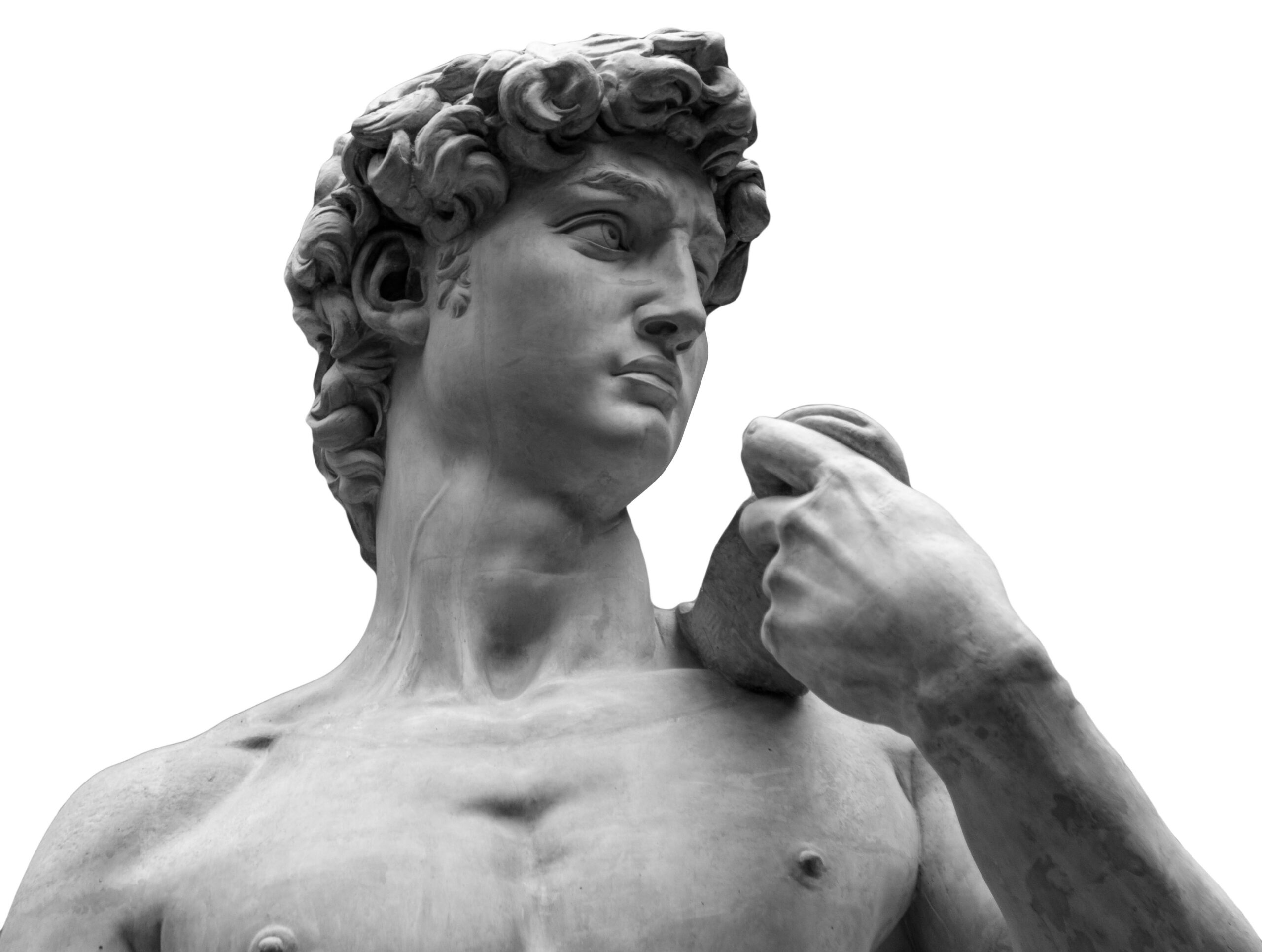
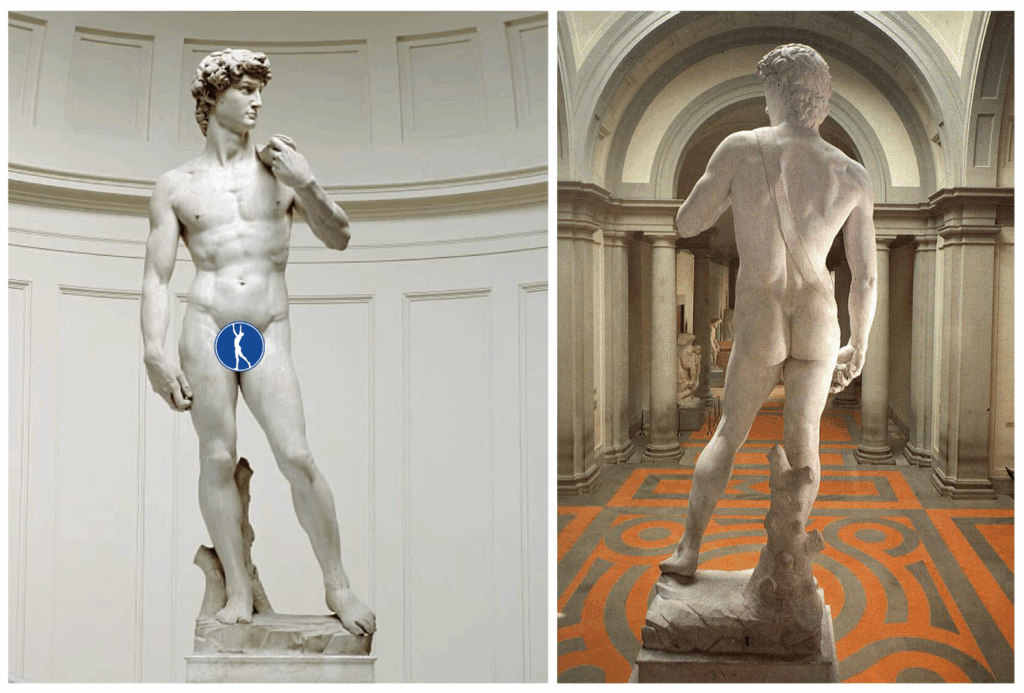
A great example of front/back posture is Michelangelo’s David. Somehow, Michelangelo captured a very common pattern of postural asymmetry back in the 1500s that is still seen in many people today. With even a quick look at the sculpture, you can see obvious postural differences between the right and left sides of his body.
By following along as we analyze this common posture — and noticing whether you share some of these traits — you can begin to adjust your own posture, reduce tension and pain, and better understand why these imbalances occur.
There is certainly no shortage of tension and pain in people’s bodies. In fact, the number one reason why people seek help is ongoing tension or tightness that refuses to go away.
Right Side Analysis
David is standing heavily on his right leg, with probably 90% of his weight on that side — a very common stance pattern. Many patients cannot even replicate this stance to the left.
Notice the concavity (curving inward) on the right lower back from both front and back views. This often contributes to lower-back tension and right-sided pain. The right lower back tends to be more tender when pressed, a sign of tightness.
This posture also affects the shoulders. The right shoulder often sits lower than the left, placing stress on the rotator cuff and contributing to shoulder impingement.
The ribs are also affected. The right ribs compress and reduce lung expansion, limiting support for the right shoulder blade. With less pneumatic support, the muscles must work harder — and less efficiently.
Balanced breathing becomes essential to good posture across our three postural planes: sitting, standing, and lying down.
Left Side Analysis
Here we often see a left leg that is essentially “on vacation.” The left hip receives less weight-bearing and less stretch, leading to increased tightness deep in the left buttock (including the piriformis). This creates significant imbalances in hip muscle tone.
Top View
From above, David would show a twist to the right in his pelvis combined with a lean to the right. This stresses the right sacroiliac joint and forces the right piriformis to resist the twist, contributing to tightness and hip bursitis.
How This Shows Up in Daily Life
We generally use three major postures: standing, sitting, and lying down.
Sitting
Sitting dominates modern life — computers, driving, eating, and TV. Right-hand mouse use often causes a subtle lean to the right. Driving habits do the same — resting the right elbow on the console reinforces the same right-side concavity.
Sleeping
Many people sleep on their right side until the right shoulder becomes sore. Sleeping on the right compresses the ribs and restricts airflow on the right — again reinforcing daytime postural habits.
Take a look in a full-length mirror. Which leg do you stand on more? Women often show an even stronger pattern — standing heavily on the right while turning the left leg outward, increasing pelvic imbalance.
Why This Pattern Happens
It’s not only because most people are right-handed, but that does contribute.
The real question is:
How can you avoid reinforcing this pattern even more?
How to Help Yourself
When Standing
- Shift more weight onto your left hip.
- Let the trunk sag slightly left to create a left-side concavity — the opposite of David’s posture.
- Notice how inhalation expands the right ribs more.
When Sitting
- Keep your mouse closer to avoid leaning.
- Rest your left forearm on your left thigh to gently shift weight left.
In the Car
- Keep your right arm on the wheel.
- Avoid resting the right elbow on the console.
- Rest your left forearm on your left thigh to encourage a leftward bias.
When Sleeping
- Try sleeping on your left side to free the right ribs and improve breathing.
Form Follows Function
Your body reflects the postures you use most frequently — for better or worse.
You can “make your day more therapeutic” by using daily activities as natural corrective exercises. Since you must sit, stand, and lie down anyway, why not do it in a way that promotes balance and prevents chronic tightness?
Awareness is step one. Notice your postural patterns at work, at your desk, in your car, and while sleeping. Begin making small adjustments each day.
Habits can work for you — and with enough attention, good postural habits can become automatic.
Tips to Feel Healthier This Holiday!
The holidays are a time for family, food, and celebration! But for many of us, the hours spent in the car or on a plane can leave us feeling stiff, sore, and out of alignment. Whether it’s a crick in your neck from looking at your phone or lower back pain from sitting too long, posture plays a huge role in how your body feels during travel.
Prolonged sitting is often the culprit behind traveling aches and pains. Did you know that sitting for more than 30 minutes without moving reduces blood flow to the lower back by up to 50%? Prolonged sitting strains the body, causing not just poor circulation, but also tightening the muscles (especially hip flexors and hamstrings), compressing the spine, and magnifying discomfort. But don’t dread your upcoming trip! Here are a few ways to set yourself up for success:
Before you go:
- Loosen up and stretch: Get in a few stretch sessions in the days before your trip! Focus on hamstrings, hip flexors, and shoulders.
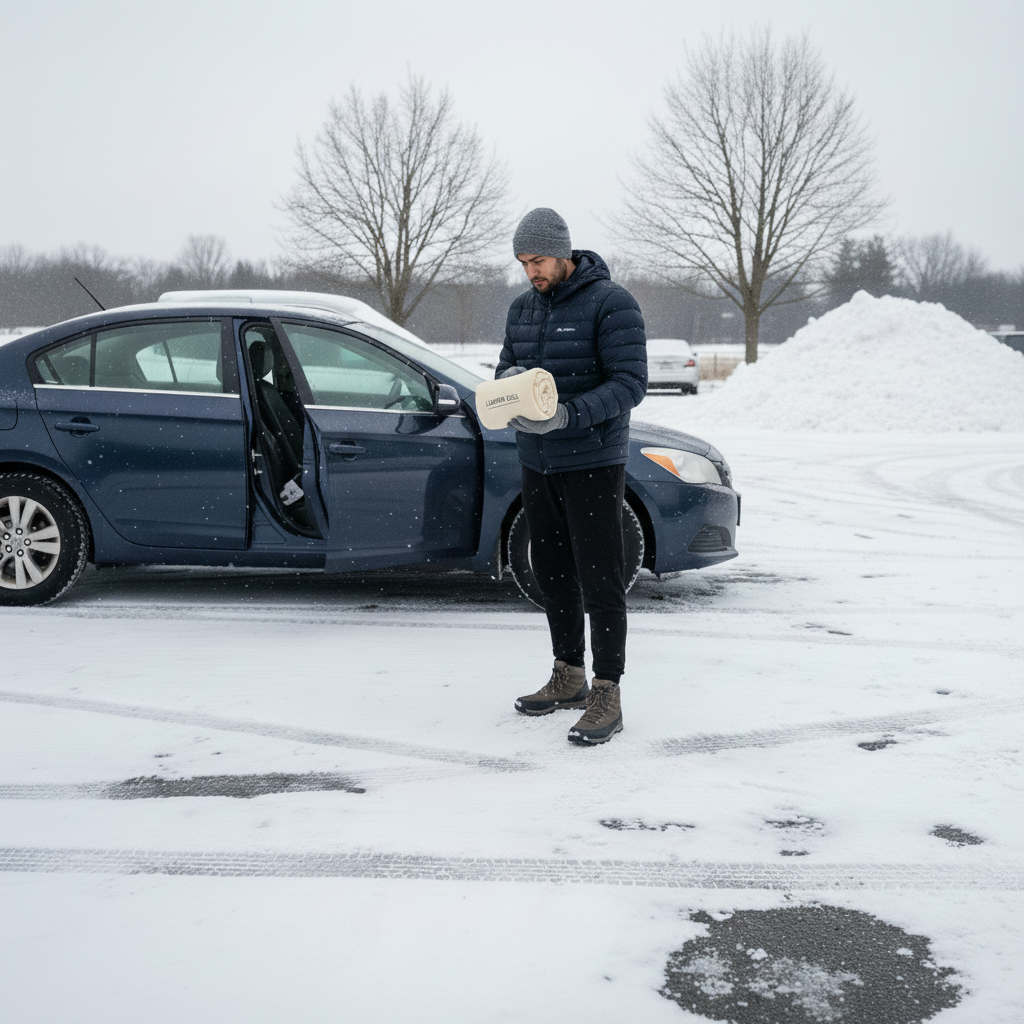
- Pack a lumbar roll or small pillow: Use to help maintain the natural curve of your spine when sitting in a chair without adequate support.
- Adjust your seat: If possible, your hips and knees should be at roughly 90 degrees, and your feet supported.
During your trip:
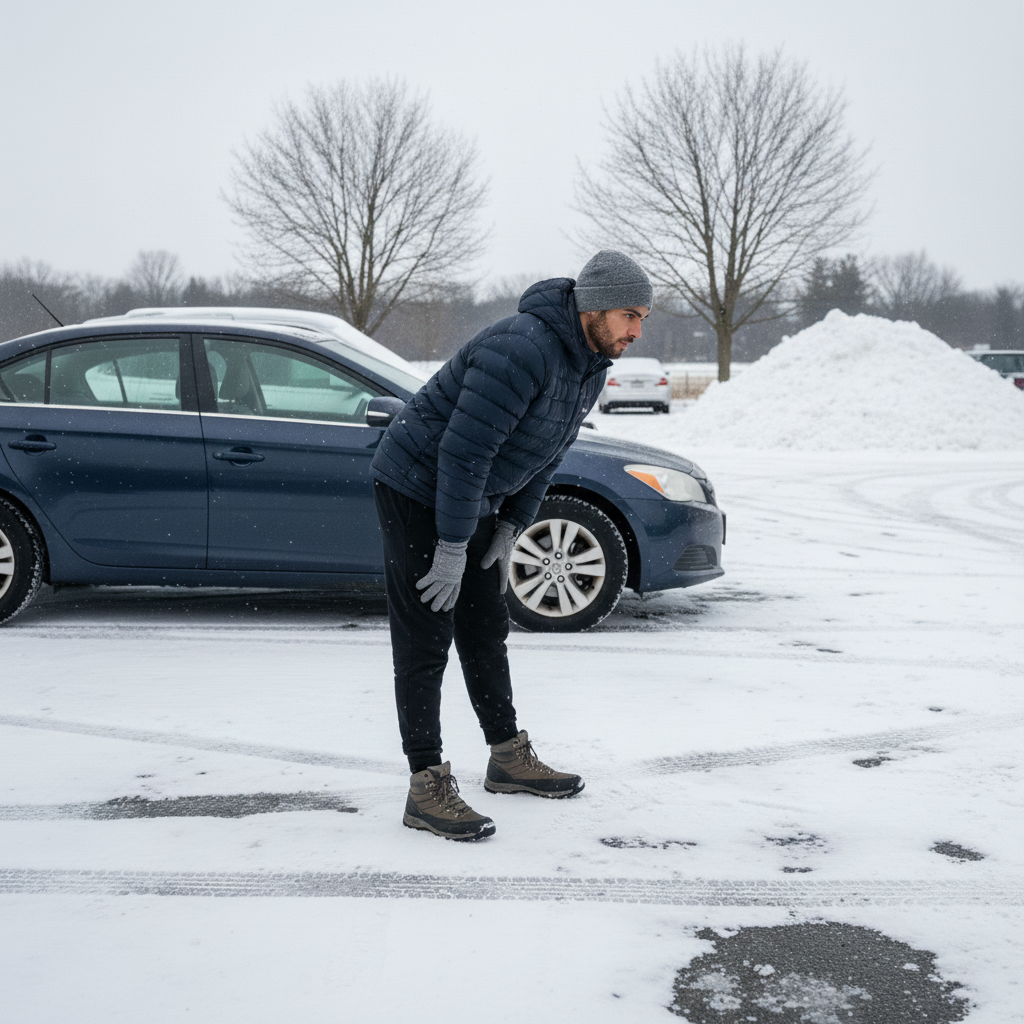
- For drivers: Pause every 1-2 hours to stretch or walk
- For flyers: Stand, stretch, and move around when the seatbelt sign is off
- Remember- Micro-movements count! Small movements like shoulder rolls, ankle circles, and gentle neck stretches help circulation and reduce stiffness, and are easier to do when space is limited.
After you arrive:
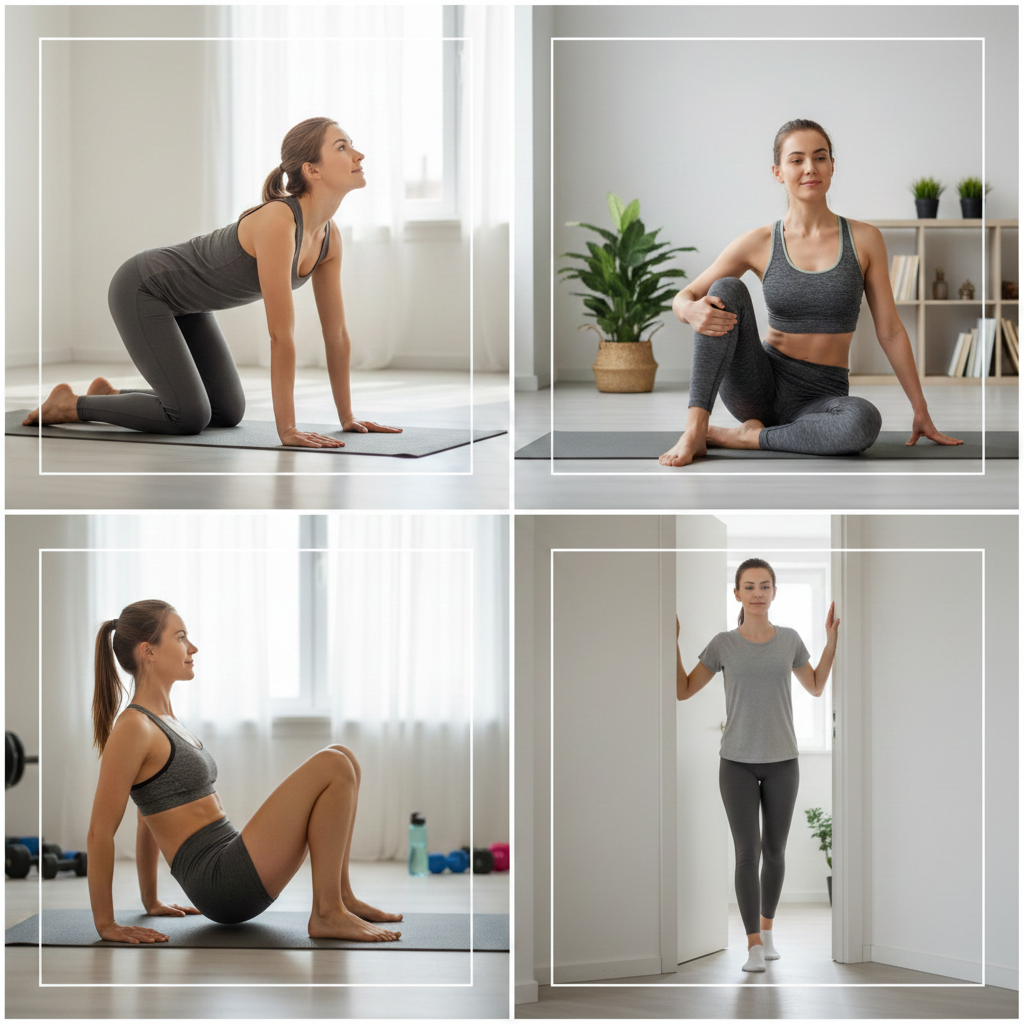
Work in a fuller body stretching session. We recommend doing a few of each of these moves:
- cat cow stretch
- seated spinal twist
- glute bridges
- doorway chest stretch
Holiday travel doesn’t have to come with post-trip pain. A few mindful adjustments and movement breaks can make the difference between being as stiff as a gingerbread man and as limber as a string of lights! If your pain or discomfort is lingering, let us know! Full Potential can help you realign, re-balance, and feel your best this holiday season.
“I am pain free and working on a long term plan to rebuild strength.“
“When I came to Full Potential, I had pain down my left leg. I could not take stairs, walk without a limp, or sleep at night. With PT guidance and support, I am pain free and working on a long term plan to rebuild strength.
Staff at Full Potential were knowledgeable, professional, and fun. They listened well and were very encouraging. The office is pleasant and runs efficiently. I saw 100% improvement in my problem.” – J. DeYoung
Ask a PT
Welcome to our “Ask a PT” feature! This is your go-to spot in the newsletter to get real answers to everyday questions about the body, movement, and feeling your best. Whether you’re dealing with an injury, wondering how to stay active, or just curious about how physical therapy works, our team of physical therapists is ready to help. Each month we’ll share responses, tips, and answers based on questions from you, so if there’s something you’ve been wondering about, don’t be shy! Send it in – we’d love to hear from you!
Recent Q and A!
Q: How do I know when to ice an area that hurts vs. when to use heat?
That’s a great question — and you’re right, both can help relieve pain! But they work in different ways, which is why it’s hard to know which to start with. Here’s a simple breakdown:
When to Use Ice
Think pain that’s fresh, puffy, sharp, or sudden.
Ice is best when pain is associated with:
- A recent injury (within the last 2–3 days)
- Swelling, redness, or warmth in the area
- A sprain, strain, or sharp “flare-up”
- Pain that gets worse with activity and better with rest
Ice calms inflammation by slowing blood flow — almost like hitting a pause button on swelling and irritation.
How to use ice:
Apply for 10–15 minutes, let skin fully return to normal temperature, then repeat if needed.
Avoid placing ice directly on bare skin.
When to Use Heat
Think pain that’s stiff, tight, achy, or chronic.
Heat is best when pain stems from:
- Muscle tightness or stiffness
- Chronic aches (back pain, arthritis, older injuries)
- Pain that improves with movement
- Tight muscles that need to “loosen up” before activity
Heat increases blood flow, relaxes muscles, and improves tissue flexibility — like a gentle “warm-up” for your soft tissues.
How to use heat:
Apply mild heat for 15–20 minutes.
Warm (not hot) is key — it should feel soothing, never burning.
A warm shower is one of the safest ways to heat tissues while staying gently active.
Q: Why does my pain get worse with weather changes? Is this real?
You’re not imagining it!
Many people with joint pain, arthritis, or old injuries experience flare-ups with changing weather. While every case is different, here are the most common explanations:
Why Weather Affects Pain
1. Changes in Air (Barometric) Pressure
When pressure drops — like before storms — there’s slightly less weight pressing on your tissues.
This can allow tissues inside a joint to expand just a bit, increasing pressure on nerves and causing more pain or stiffness.
2. Cold Temperatures Tighten Tissues
Cold makes muscles, tendons, and connective tissue less flexible.
Stiff tissues = more discomfort.
Reduced blood flow in chilly weather can also heighten pain sensations.
3. Activity Levels Decrease
Bad weather =
- More sitting
- Less walking
- Staying indoors
Less movement leads to stiffness and increased discomfort.
Tips to Manage Weather-Related Pain
- Stay warm: Layers, heat packs, heated blankets
- Keep moving: Gentle mobility or stretching keeps joints lubricated
- Hydrate: Even slight dehydration can make joint pain feel worse
If winter pain is limiting your daily life, consider calling our clinic. Physical therapy may help you stay more comfortable and active through the colder months.
Don’t Let Your 2025 Insurance Benefits Go To Waste!
Take charge of your health today and make the most of your insurance benefits!
As the end of the year approaches (hard to believe 2026 is around the corner!), we want to remind you that now is a great time to take full advantage of your insurance benefits before they renew!
Most insurance plans renew in January. If you have already met or are close to meeting your deductible or out-of-pocket maximum, scheduling your care before your plan renews could help you save money and get the most of your benefits. Depending on your plan, it’s possible your care would be fully covered!
Please keep in mind that physical therapy typically involves a series of sessions over several weeks, so getting started now helps diminish the likelihood of your care extending into 2026.
Ready to make the most of your coverage? Call our office and we’ll be happy to provide a personalized insurance quote and help you schedule your first visit!
Announcements
We are Collecting Items for Hope Pkgs
Don’t forget! Throughout the month of December, we are collecting items and bags for Hope Pkgs, a nonprofit organization that provides first night bags and supplies for children entering the foster care system.
This year is Hope Pkgs 10th birthday, and they have a goal of reaching a milestone of 10,000 bags before December 24. With under 500 more bags to go, your donations can help this incredible organization reach a fantastic goal, and – even better – help children transition homes with a sense of comfort, dignity, and hope.

Celebrating 30 Years in the Holland Community
Celebrating 30 years in the Holland community has given us a moment to reflect on what matters most: helping people move, heal, and return to the parts of life that bring them joy. That purpose has shaped Full Potential from the beginning, and it continues to guide every step we take.
As we look back, we can see how impactful your trust in us has been. The progress you have made with us, whether it be small daily wins or major milestones, has continued to inspire our team and helps push us to continue to deliver the best care we can.
If your experience with Full Potential has been positive, we would be honored to receive your nomination for the 2026 Holland Community’s Choice Awards under “Best Physical Therapy Clinic.” Nominations are open December 1-22, 2025, and you’re welcome to submit one per day per category.
Your support doesn’t just encourage us, it also helps others in our community discover the resources they may need in their own rehabilitation journey. And that is our true purpose- to assist those in need in overcoming their physical limitations.
So thank you for a wonderful 30 years of business, and for your nominations this year and in previous. We are proud to be a part of the Holland community!

Cinnamon Apple Bake
Ingredients
- 4 apples, sliced
- 1 cup fresh cranberries
- 1 tablespoon maple syrup
- 1 teaspoon cinnamon
- 1 teaspoon vanilla
- Pinch of nutmeg
- Small handful of chopped walnuts or pecans
- Optional: a squeeze of lemon
Steps
- Heat the oven to 375.
- Toss the apple slices and cranberries in a bowl with maple syrup, cinnamon, vanilla, nutmeg, and lemon if using.
- Spread the mixture in a small baking dish.
- Sprinkle nuts on top.
- Bake for about 25 minutes until the apples are soft and the cranberries burst.
Exercise of the Month
Calf Raises
Stand tall with your feet hip-width apart and your hands resting on a chair or countertop for support. Slowly rise up onto the balls of your feet, lifting your heels off the ground. Hold briefly at the top, then lower back down with control. 3 Sets, 10 Reps. (Materials needed: chair or countertop for balance)
Let’s Get You Better ASAP!
Don’t let pain dictate your life. Take the first step towards reclaiming your mobility and well-being with our expert support. Start your journey to a healthier you today.