

A Look Inside Shoulder Therapy
Building Strength, Stability, and a Better Life

Vincent Hanneken, PT/Owner
By Vincent Hanneken, PT/Owner
Physical wellness is foundational to quality of life. The ability to move freely, perform daily tasks without pain, and engage in activities you enjoy is deeply connected to your physical health, and much of that ability hinges on functional movement and joint integrity. Among the most commonly used yet vulnerable joints in the body is the shoulder. It plays a central role in hundreds of daily actions, from getting dressed to lifting a child, yet its wide range of mobility makes it prone to instability and injury.
The makeup of the shoulder involves the collarbone, shoulder blade, and upper arm bone. These three bones are connected with two complex joints and a system of muscles and tendons. One of the most important systems in the shoulder is the rotator cuff, which is a series of four muscles that cross the shoulder joint. The rotator cuff plays an important role in stabilizing the shoulder so it can perform a variety of activities, including pushing, pulling, reaching, carrying, throwing, overhead tasks, and just about any other activity requiring motion of the shoulder.
According to the American Academy of Orthopedic Surgeons, nearly 2 million people go to the doctor’s office yearly due to rotator cuff injuries. The complexity of the shoulder joint, combined with how frequently it is used, puts this region at high risk of injury. And unfortunately, a torn or injured rotator cuff can be very painful, even when the shoulder is at rest.
What do you do when your shoulder becomes painful or limited?

In most cases, physical therapy is often both recommended and effective for shoulder pain. Physical therapists are uniquely qualified to treat this complex area, as they are experts in the musculoskeletal system. They are highly educated and perhaps the most well-versed clinicians when it comes to the interactions between bone structure, muscle, and tendons. And as we’ve learned, the shoulder region involves all three!
When you start feeling symptoms in your shoulder, a great place to start is a consultation with a physical therapist or doctor in order to determine what the best course of action may be. Many shoulder pains stem from weakness or imbalance in other larger muscle groups, like the neck or the back, and can be resolved with targeted exercises and strengthening, making it a perfect fit for physical therapy treatment!
What does physical therapy for the shoulder look like?
To begin to answer this question, we can review the physical therapy process:
When you come to a physical therapist, they will evaluate your condition, identify the cause of your limitations, and learn how your condition is interrupting your life. With this information, they develop a treatment plan based on their findings and the individual goals you discussed. The treatment plan will most likely include a combination of hands-on therapy, modalities, and, perhaps what PTs are best known for — therapeutic exercise.
With their knowledge of the body’s functional movements, a physical therapist will prescribe specific exercises for your condition and goals. Just like pharmaceutical medicine, the exercises are prescribed at unique dosages and frequencies!
Generally, when a patient comes in with a rotator cuff concern, their exercise program will include four types of exercises. Four key types of drills are central to this process, addressing both short-term function and long-term joint health:

1. Push Drills: Rebuilding Forward Strength and Daily Function
Push drills engage the chest, shoulders, and triceps, and challenge the pressing motions used in everyday life. In physical therapy, exercises such as forward presses with band resistance, bench presses, and push-up type drills are often used to help patients rebuild strength and regain safe movement mechanics.
These drills support basic functional needs like pushing a shopping cart, getting out of bed, or closing a door — tasks that are easy to take for granted until pain or weakness sets in.
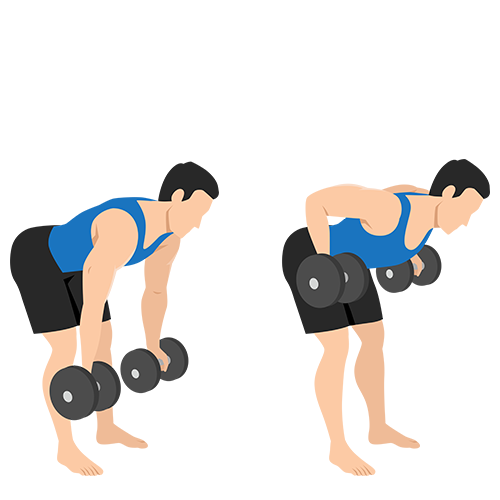
2. Pull Drills: Restoring Posture, Strength, and Balance
Pull drills focus on back, shoulder, and bicep muscles, emphasizing strength and coordination in movements that draw the arms or body inward. Physical therapy uses exercises like banded rows, lat pull downs, or bent over rows to target underused postural muscles and combat the effect of forward-rounded shoulders.
Functional examples of the “pulling” muscles include opening the refrigerator, lifting a backpack, or pulling oneself up from a seated position. These seemingly simple actions involve a complex group of muscles and have a major impact on how we navigate the world. Improving pulling strength not only supports shoulder health, but also boosts postural integrity, energy efficiency, and balance — contributing to a more active, pain-free lifestyle.
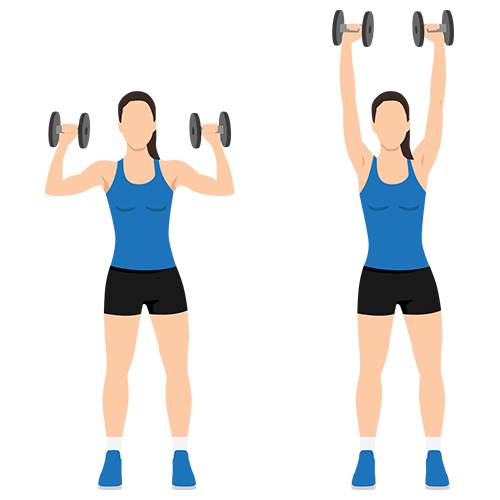
3. Overhead Challenge Drills: Lifting Toward Independence
Overhead challenge drills develop strength, mobility, and control in the shoulders, upper back, and core. Movements like wall washes, overhead carries, and overhead presses challenge patients to stabilize the shoulder while lifting or reaching above the head — a common source of pain or dysfunction.
Real life applications of this movement include placing dishes in a cabinet, reaching to change a lightbulb, or throwing a ball. When these tasks become difficult or painful, it can create a fear of movement, leading to loss of mobility or function. Physical therapists use these drills to retrain safe overhead mechanics, helping individuals not only recover function but also feel confident in their abilities again.
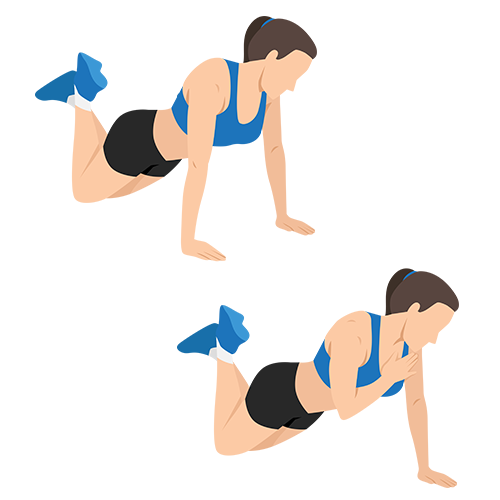
4. Stability Focus Drills: Building Control and Preventing Reinjury
Stability drills are essential for maintaining joint integrity, especially in the shoulder, which relies heavily on rotator cuff and scapular muscles for support. These drills challenge the shoulder system to hold a position and are used to enhance control, balance, and joint awareness. Exercises like planks, countertop shoulder taps, and isometric band holds are all useful in training shoulder stability.
While this is by no means an exhaustive list of drills to promote rotator cuff health, including each of the 4 categories above in your exercise program is a great start to promoting resilience and strength in the rotator cuff. These drills directly contribute to a person’s ability to perform everyday actions without discomfort or hesitation — whether reaching for a seatbelt, carrying a bag, or holding a child. Just as importantly, stability work reduces the risk of reinjury, creating a solid foundation for an independent life.

As you can see from the list above, physical therapy is more than just injury recovery and exercise! It is a proactive investment in long-term health and whole-person wellness. A physical therapist helps people regain control of their bodies and reconnect with the activities that bring joy and purpose to life. Whether it’s returning to gardening, playing with grandchildren, or simply being able to dress and bathe without pain, these goals are central to a person’s sense of independence and fulfillment.
In a world where chronic pain and sedentary lifestyles are increasingly common, physical therapy offers a vital path to resilience, prevention, and enhanced well-being. Exercises are more than just exercises — they are tools to help you reclaim your movement, increase your confidence, and ultimately, invest in your quality of life.
Check out these videos on the anatomy of the shoulder!
DO YOU NEED A TUNE UP?

Consider a tune up at Full Potential. By addressing a problem in its infancy a quicker recovery can occur and you will not risk wasting valuable time by putting excessive stress on unprepared joints and muscles, potentially causing a strain.
Be pro-active and protect yourself from injuries!
We are here to help you have a smooth transition back to an active lifestyle. Not sure if you need help? That’s easy – come in for a FREE CONSULTATION and we can talk, test to identify deficits and discuss what may be needed. We also offer consultations by phone, just call 616.324.0353.
CAN WE RETRO-AGE???

We have all heard this refrain before, “If you don’t use it, you lose it.” This is a matter-of-fact statement that kind of tells it like it is, almost in the form of a threat, as it relates to our body.
Yet, there is another way to phrase this statement that would allow us to affirm the positive and encourage us to take action. “If you do use it, you may be able to keep it working better for longer!” (exclamation for a little emphasis). This idea has a lot of application as we add up the decades.
Since December we have been pounding on a theme that could use more than a hammer to bring the point home, that theme relates directly to movement and ties right into the idea of “using it.” “Using it” implies action and nothing spells action like movement with a purpose.
Even if we are talking about “using” our mind, challenging it with a little chess, sudoku or a cross-word puzzle, we are creating movement of actual electrical impulses in our brain. Oh, and speaking of a game, have you played “Murdle”? It’s a relative of the game “Clue” and its name is a cross between murder and riddle where deductive reasoning is needed to arrive at who did the deed.
Such games are great for creating mental gymnastics as the mind must search for clues and deduce the variables into an answer of who did the crime. Engaging our mind or our body in challenges that help us hold on to our abilities becomes more and more needed as we celebrate more birthdays and the sooner we wake up to this idea, the more opportunity we have to sustain our quality of life.
Keeping your body working better for longer is often the direct result of having a consistent routine of “using it” that addresses your unique deficits. And the key word is, “deficits”; we all have them by a certain point in life. Identifying them and setting up a plan for addressing them is Full Potential PT’s specialty. By doing so you are setting yourself on a course of “using it” by being specific about what is needed to get you back in shape.
There is the concept in our profession of retro-aging which is functionally related to improving motion, strength, balance, and endurance. We can age in reverse and restore something that has been lost, it is a real thing in physical therapy. That is one of the beautiful qualities of the body. If you don’t use it, very likely you will eventually lose something, but in reverse – if you do
use it, and use it to correct the deficits identified, keeping it working better and for longer is a very real possibility. When people are moving better and feeling better, we no longer call it movement anymore, we call it “smoothment” and that is retro-aging at its best.
Schedule an evaluation with one of Full Potential’s PTs, we are the Sherlock Homes for body clues and see if you can retro-age yourself, or better yet, create some smoothment. What a great challenge for 2025 – let’s get started!

Full Potential Reached!
“I saw 100% Improvement! My condition has improved as a result of the regular exercises taught by Kristen. Kristen’s willingness to give extra ideas and solutions… and her ability to connect with her patients on a personal level have been great motivators. I always looked forward to PT appointments. Great staff and wonderful facility.”
—Kathy B.

Feel Better by Eating Better!
Crunchy French Onion Chicken
Looking for a fun and flavorful way to liven up your dinner routine? Try this creative take on oven-baked chicken! Instead of traditional breading, crispy French-fried onions add a satisfying crunch and savory flavor. Simply coat skinless, boneless chicken breasts in beaten egg, press into crushed onions, and bake to golden perfection — no frying required.
Ingredients
- 1 ⅓ cups French-fried onions, crushed
- 1 large egg, beaten
- 1 pound skinless, boneless chicken breast halves
Preheat the oven to 400 degrees F (200 degrees C). Spread crushed onions in a shallow bowl. Pour egg into a separate shallow bowl. Dip chicken into beaten egg, then press into crushed onions. Gently tap chicken to let loose pieces fall away. Place breaded chicken on a baking sheet. Bake chicken until no longer pink in the center and the juices run clear, about 20 minutes. An instant-read thermometer inserted into the center should read at least 165 degrees. Serve and enjoy!
https://www.allrecipes.com/recipe/239896/crunchy-french-onion-chicken
Exercise of the Month
SHOULDER SHRUGS
Stand or sit with arms relaxed at your sides. Lift your shoulders up toward your ears, squeeze briefly, then relax them back down. Repeat to strengthen and relax the upper trapezius muscles.
Let’s Get You Better ASAP!
Don’t let pain dictate your life. Take the first step towards reclaiming your mobility and well-being with our expert support. Start your journey to a healthier you today.