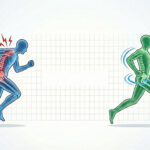


When do I push through pain and when do I back off?

Vincent Hanneken, PT/Owner
WHAT DO PTS DO? THEY IDENTIFY THE WEAK LINKS
By Vincent Hanneken, PT/Owner
One of the unique consequences of receiving physical therapy at Full Potential PT is having a physical therapist identify the important factors behind why you’re having pain and limited ability doing a particular motion, task or repetitive activity. We could call these factors the “Weak Links” that contribute to the perpetuation of an orthopedic problem. Behind many orthopedic painful conditions are reasons why stress and pain are building into a knee, back or shoulder. Those reasons relate quite often to some deficit in motion, strength and endurance.
Ultimately, we find muscle weakness as a primary initiator of reactions in joints and tissue that contribute to a painful and ongoing situation. As a result, at some point in the rehab process strengthening will become a major focus of care. At this point many patients ask “When do I push through pain, and when do I hold back?” This is a great question, and the root of the answer is that the expertise of the therapist will guide you through governing the right amount of stress to achieve the ultimate goal of care (like returning to a vigorous walking routine, being able to lift a grandchild or handle the usual yard chores).
A person can gauge their quality of life by how much they feel able to live their lifestyle. Some of you have high expectations of your body and engaging in physically demanding activities is not only satisfying but needed to fulfill one’s responsibilities. When we talk about maintaining or increasing one’s physical ability we are often talking about strength and using that strength efficiently.
This is what the therapists at Full Potential do well, we are experts at applying overload to progressively stress muscle in order to perform at a higher level. Inherent in this process is judging how much pain or soreness is therapeutic and helpful to reach your goal, and how much is too much. Each of you has unique needs and that is why we stress one to one consistent care from the same therapist. In doing so, the rehab process moves along productively by being able to gauge your response.
Our feature article dives into the concept of overload and soreness. Read on and become more acquainted in why overloading and strengthening are key to long lasting results, and why it is good for you to be able to judge what is helpful exercise stress and what is too much.

When do I push through pain and when do I back off?
By Dr. Luke VanderZouwen, Doctor of Physical Therapy

Doctor of Physical Therapy
Determining when to push through pain and when to back off in order to reduce pain in a sensitive area or to promote healing can be a difficult conundrum. One might think, “If it is painful at all, I should probably stop.” It is not always this simple. True, in certain situations pain should be taken very seriously and activities should be stopped immediately. The situations most often include situations that could potentially be very serious like a potential fracture, possible nerve damage, or immediately following surgery (just to name a few). Most of these situations are accompanied by a clear mechanism of injury and are relatively easy to rule out either by common sense or by a medical professional. Especially in more longstanding or unexplained painful situations, knowing what to push through with regard to pain can be a much trickier situation.
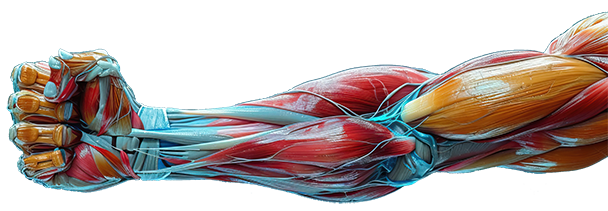
Our connective tissues (muscles, tendons, ligaments, bones, fascia, etc) require appropriate stress or strain in order to heal and/or become less sensitive. If all stresses or strains that cause any discomfort are avoided, sometimes this does not provide the right inputs to make that area healthy and able to handle more in the future. Especially in cases where an issue has become chronic (lasting longer than 6 months), pain is not always the best indicator of what we should or shouldn’t do in order to improve. On the flip side, just pushing through pain that does not improve or intensify with activity can also simply irritate already aggravated body areas. So if you have a long term issue like chronic back pain, a shoulder strain, or a painful arthritic knee (just to name a few), what are you supposed to do? When do you persist through some symptoms and when do you avoid an activity because it makes your body area sore? The following rule provides some insight into what might be helpful.
I call this rule the Sharp Symptom or 24-Hour Rule. This rule allows certain symptoms to be worked through, while also allowing the opportunity to occasionally avoid activities in order to promote healing and generally feel improvement in the long term. The Sharp Symptom portion of the rule is fairly straight forward. If an activity is performed and symptoms are sharp or intense, that is probably a good clue that they should be avoided or limited when possible. For example, if raising my arm over my head causes sharp or searing pain at the tip of my shoulder to the point where I might even have to wince, I should probably try to at least temporarily avoid that motion if possible. Sharp symptoms are a good sign from our body that an activity might be dramatically irritating a situation and should probably be avoided.

On the other hand, the 24-Hour Rule is not always quite as straightforward. This rule allows for pain to be persisted through in a couple of scenarios, while still monitoring how the body is handling an activity in the long term. If symptoms arise that are painful, but only mildly so (activity is able to be performed with some pain/soreness, but without having to drastically change the way you move) it is probably alright, assuming that within 24 hours of experiencing the increased symptom, the pain eases to its relative norm. This is probably activity that is otherwise safe and provides good, healthy stress to a sensitive body area. If symptoms do not calm down within 24 hours, but instead persist beyond 24 hours, it is usually safe to say that whatever activity was being performed as symptoms increased, should be limited in the future when possible. Not all pain is bad. Pain is our body’s way of telling us that there is a threat of some sort. Just because there is a threat, does not mean I have to shut down and avoid all activity, especially when that activity might be helpful in the long run by promoting strength, mobility, and allowing me to get important things done in my life. If you are having trouble juggling these rules or knowing when to push and when to back off due to a painful situation, a physical therapist may be able to help. At Full Potential, we provide free consultations to discuss just these types of situations!
Call us at 616-537-2864!


DO YOU NEED A TUNE UP?

Getting back into action after a long winter full of snow like this one may be a challenge. It is amazing how much we can lose from a few months of being more sedentary! Even though snow is still on the ground, spring is not far off and nature will be calling you out to play and work. What could you do now? Well, consider a tune up at Full Potential. By addressing a problem in its infancy a quicker recovery can occur and you will not risk wasting valuable warm weather time by putting excessive stress on unprepared joints and muscles, potentially causing a strain on that first warm day. This is certainly not the way to start the warm weather season.
We are here to help you have a smooth transition back to an active lifestyle. Not sure if you need help? That’s easy – come in for a FREE CONSULTATION and we can talk, test to identify deficits and discuss what may be needed. We also offer consultations by phone, just call 616-537-2864.
Plantar Fascia:
Anatomical Overview
The foot and ankle region is a complex area of our body and it plays a huge role in our ability to move and function physically. Most take its complexity for granted if they aren’t dealing with any foot related issues. Those who happen to be dealing with an issue in their feet realize just how important the foot can be in daily life. In total there are 26 bones in each of our feet. These bones are connected by numerous ligaments/tendons/muscles/fascia structures that provide support, adequate strength, and stability to our feet.
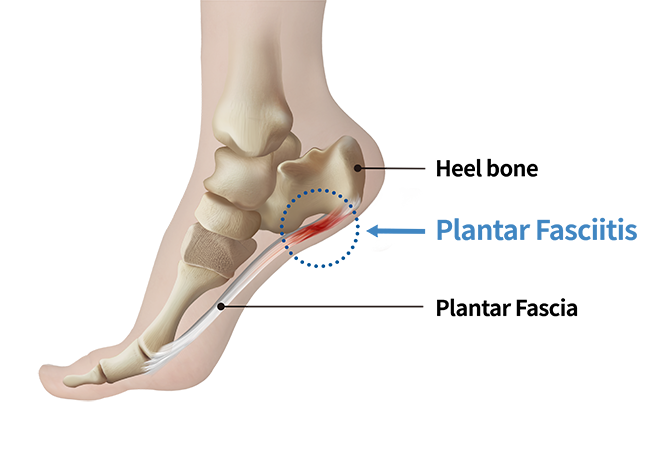
The plantar fascia is one of these important connective tissues. It runs from the bottom of the heel to the base of the toes. It functions to do multiple jobs.
It supports the arch of the foot.
Much like a suspension bridge, the long arch of the foot works with the plantar fascia to create a strong/stable structure, able to support a significant amount of weight. A suspension bridge can support the weight of many cars (think about the Mackinaw Bridge). The foot can support the weight of our entire body and more when all is working well.
The plantar fascia helps with shock absorption and energy return with activities on our feet.
Similar to a rubber band being stretched, after our foot spreads and stretches under body weight, the plantar fascia springs back to its original length, making activities like walking easier and more efficient. When working well, the foot is an amazing architectural structure, capable of supporting relatively heavy loads over and over and over again.
When the plantar fascia is irritated and/or sensitive, it is often referred to as plantar fasciitis. This typically presents as pain at the bottom of the heel and sometimes into the long arch of the foot, especially with bearing weight through the heel. More often than not, it is most sensitive after periods of time off the feet on first making contact with the ground and with activity on the feet. The most common cause is a change in activity on one’s feet. This could mean more standing or walking than usual, picking up a new exercise routine like jogging, or even changing shoe wear.
When irritated, physical therapy can be a conservative means to help calm down this aggravated tissue, ideally promoting healing and making it less sensitive in all of its jobs. A course of care for plantar fasciitis/heel pain can vary depending on the needs of an individual. Hands on work is often included to optimize foot function and mobility as well as to calm down sensitive structures. Prescription of certain stretches and strengthening/balance exercises can also reduce pain, lessen tightness, and improve strength in the foot, all of which help with symptoms related to plantar fasciitis. Like other structures in the body (muscles/bones/tendons), connective tissues such as the plantar fascia respond positively to the appropriate amount of stress/exercise and have the ability to grow back stronger and better than ever. At Full Potential Physical Therapy, we provide free consultations to help determine what might be causing your foot pain and to brainstorm a potential treatment plan. If you are struggling with heel pain, physical therapy may provide a means to recovery and better function!

The Healing:
“After physical therapy at Full Potential, my ankle/foot pain has completely disappeared and I can walk without any pain!”
“After physical therapy at Full Potential, my ankle/foot pain has completely disappeared and I can walk without any pain! I liked the relationship that you build with your therapist. My therapist was a good listener and gave excellent and helpful advice on what exercises would be the best for my situation. My problem was improved 100%!”
—Sally K.
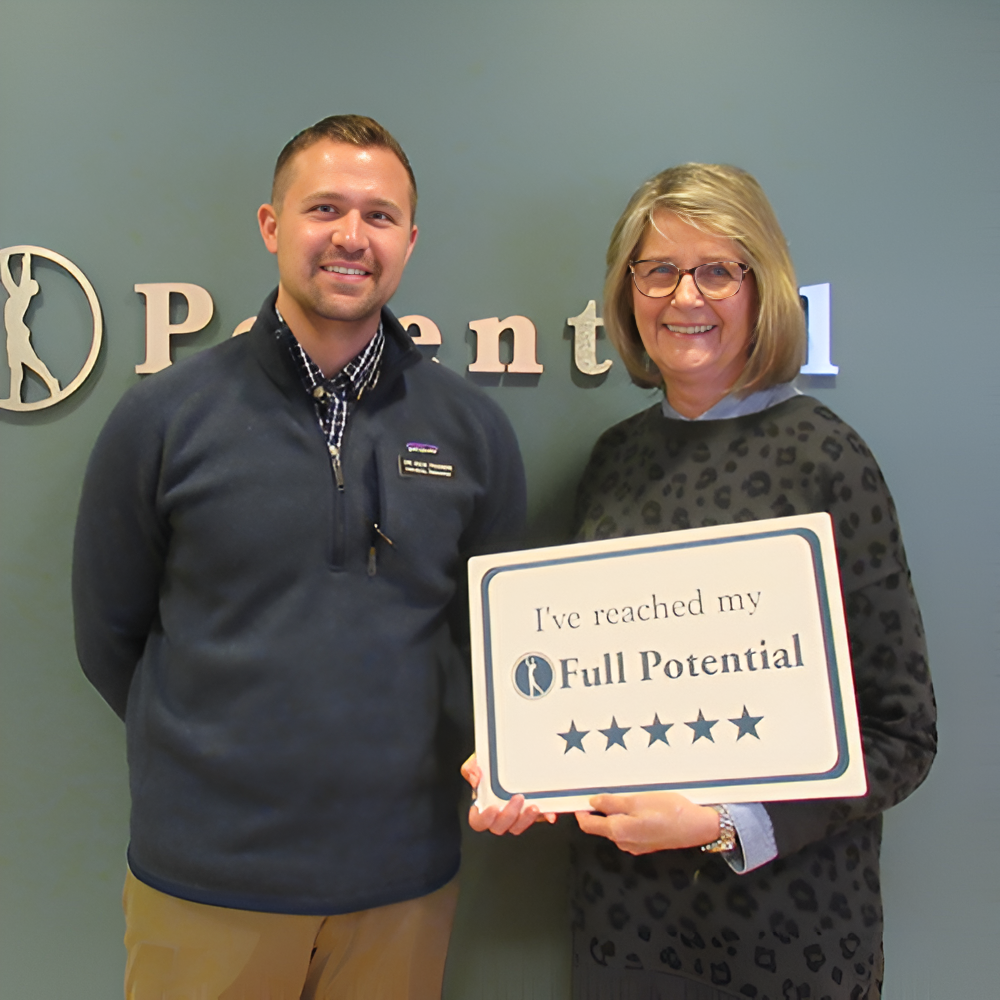

Welcome Alese!
Alese Johnson, Physical Therapist Aide
You may have met Alese, our new Physical Therapist Aide, or seen her around the clinic. Alese is a military wife, a mom, and a student pursuing a degree in Sports and Health Science. She has also served in the field of customer service and as a neurological Rehabilitation Technician. As our aide, Alese helps Full Potential run smoothly and on schedule. She has a passion for helping others, which can be seen and felt through her friendly smile and welcoming demeanor!
Alese plans to continue her education and pursue a career in the field of movement science. In her free time she enjoys spending time with her family, crafting, and reading.

Feel Better by Eating Better!
Stir-Fry Rice Bowl
Looking for a quick, healthy, and satisfying meal? This Stir-Fry Rice Bowl is packed with fresh vegetables, warm brown rice, and a perfectly poached egg for a deliciously balanced dish. This meal is both comforting and nutritious — perfect for a busy weeknight dinner!
Try it out and enjoy a wholesome, homemade meal.
In a large skillet, heat canola oil over medium-high heat. Add carrots, zucchini and mushrooms; cook and stir for 3-5 minutes or until carrots are crisp-tender. Add bean sprouts, spinach, water, soy sauce and chili sauce; cook and stir just until spinach is wilted. Remove from heat; keep warm.
Place 2-3 in. water in a large skillet with a high side. Bring to a boil; adjust heat to maintain a gentle simmer. Break cold eggs, 1 at a time, into a small bowl; holding bowl close to surface of water, slip egg into water.
Cook, uncovered, 3-5 minutes or until the egg whites are completely set and the yolks begin to thicken but are not hard. Using a slotted spoon, lift eggs out of water.
Serve rice in bowls; top with vegetables. Drizzle with sesame oil. Top each serving with a poached egg.
Ingredients
- 1 tablespoon canola oil
- 2 medium carrots, julienned
- 1 medium zucchini, julienned
- 1/2 cup sliced baby portobello mushrooms
- 1 cup bean sprouts
- 1 cup fresh baby spinach
- 1 tablespoon water
- 1 tablespoon reduced-sodium soy sauce
- 1 tablespoon chili garlic sauce
- 4 large eggs
- 3 cups hot cooked brown rice
- 1 teaspoon sesame oil
Exercise of the Month
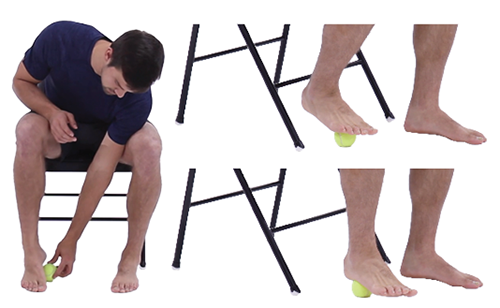
Foot Mobilization (Tennis Ball)
Start by sitting upright in a chair. Place a tennis ball under the foot you want to work just in front of your heel. Slowly roll your foot back so the tennis ball rolls up towards your toes and then roll your foot forwards so the ball goes back towards your heel. Make sure to keep pressure on your foot with the ball throughout the movement. Repeat 1 set, 2 reps.

Let’s Get You Better ASAP!
Don’t let pain dictate your life. Take the first step towards reclaiming your mobility and well-being with our expert support. Start your journey to a healthier you today.