
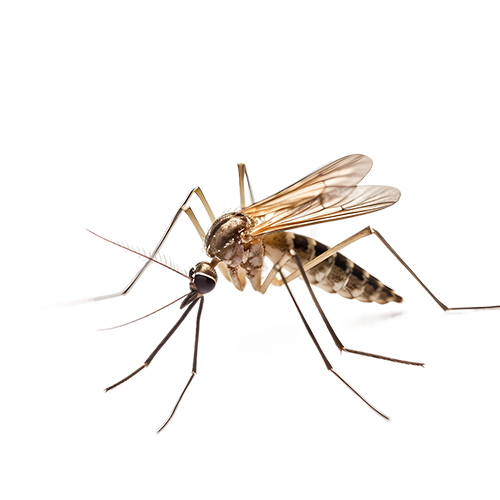
It is interesting that physical therapy month occurs in October which is in the middle of our fall season. True, nature is slowing down and on the decline yet I do not associate our profession with slowing down.
Whether we recognize it or not, nature does follow a typical cycle of action or sequence defined as birth, growth, sustainment, decline, and finally death. It is unique to each species how quickly that sequence occurs. For the male mosquito it is 10 days (better to be a female mosquito — 42-56 days), to turtles capable of living 150 years under the right conditions; and, where do we, as human beings, land? On average women tend to outlive men by 5 years at 81 and 76 years respectively in the U.S.
Whether we are looking at mosquitos, turtles or human beings, the part of the cycle of action that is quite variable is the sustainment to decline phase. For a male mosquito it is happening quickly but for a turtle they are on a much longer time frame and human beings — well that is our topic of discussion. After we have grown to full maturity and enter the sustainment phase, how can we hold on to the youthful qualities many of us took for granted as we move into and through that 4th decade? Here is where many start to feel the insidious onset of the body’s complaints. It has been said “Getting old is not for sissies” but, in truth, age and feeling older do not have to run exactly parallel.
The sustainment phase and avoiding the premature onset of the decline phase is where lifestyle meets genetics. The question of questions is “What can we do to elongate our sustainment phase?” This is where your body is working to expectations and you are able to take on life’s challenges without negative physical consequences.

Hitting the Fourth Decade
Anyone who has been around the block a few times knows life is not static and this becomes more evident as we hit the fourth decade and onward where the body is not always a willing participant. And, who feels the crimp of less ability or more discomfort the most? It is those who are used to being active and handling life as what follows such a day or event is not always pleasant. This eventually leads to subtracting more and more what one was used to doing from their routine. For some, it is a rude awakening when they end up getting funneled into our second to last final resting place — the chair and spend the majority of our day there.
Yet, after nearly 40 years of working with patients in physical therapy, my view of our profession has evolved to recognizing what Full Potential’s purpose is: to help people sustain their potential, their ability through this phase and delay as much as possible the onset of the decline phase.
I mentioned earlier that the age bracket starting sometime in the 40’s — sooner for some and later for others – is where genetics meets lifestyle. We can and often do ride our genetics for as long as possible where we can go and do as we please and even abuse ourselves without much concern yet eventually choices and lifestyle become part of the equation that impact one’s comfort and quality of life.
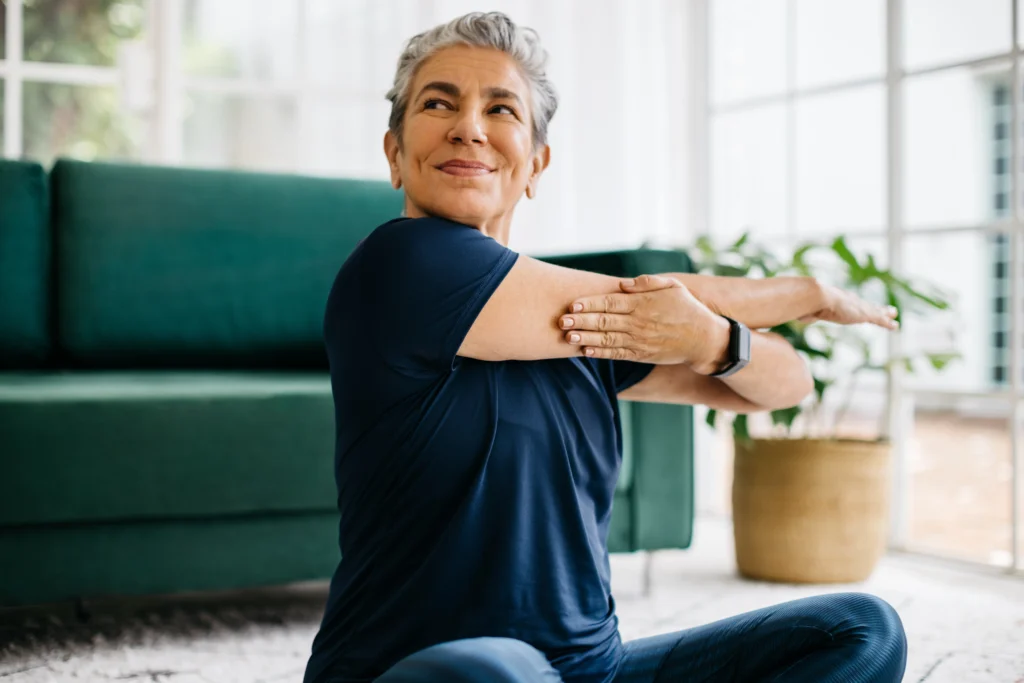
Lifestyle
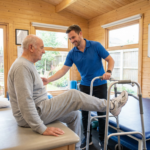
Lifestyle, and more specifically what we do to help our body hold its ability to be active in life, has a number of variables to manage. Yet, where physical therapy has its role is how do we keep this vehicle, our body, going at an optimum clip? There are many professions that have value in helping from massage, chiropractic, to your medical doctor yet each of them is mostly addressing the body from a passive role. They do something to you to help, and this can be beneficial, yet rehabilitation means restoring you back to a previous ability and that often includes you getting involved in the process.
Getting more involved and more into action will by necessity require a potential patient to engage their neuromuscular (muscle and nervous) systems into a strategic gradient back to handling their body efficiently. Comfortable function is the name of the game and progressively more efficient movement is where function becomes more possible and more comfortable. Let’s face it, many can push themselves through pain and fatigue, but for how long? The human body has more than 200 bones and 600 muscles organized by a nervous system trained to coordinate all these moving parts into movement that is able to accomplish the actions of one’s initiation; the whole process of how this occurs continues to amaze me even in the Autumn of my career. Simple movements used daily such as walking, reaching, and getting up from a chair are key to one’s independence in living. And that is just a snippet of what living is!
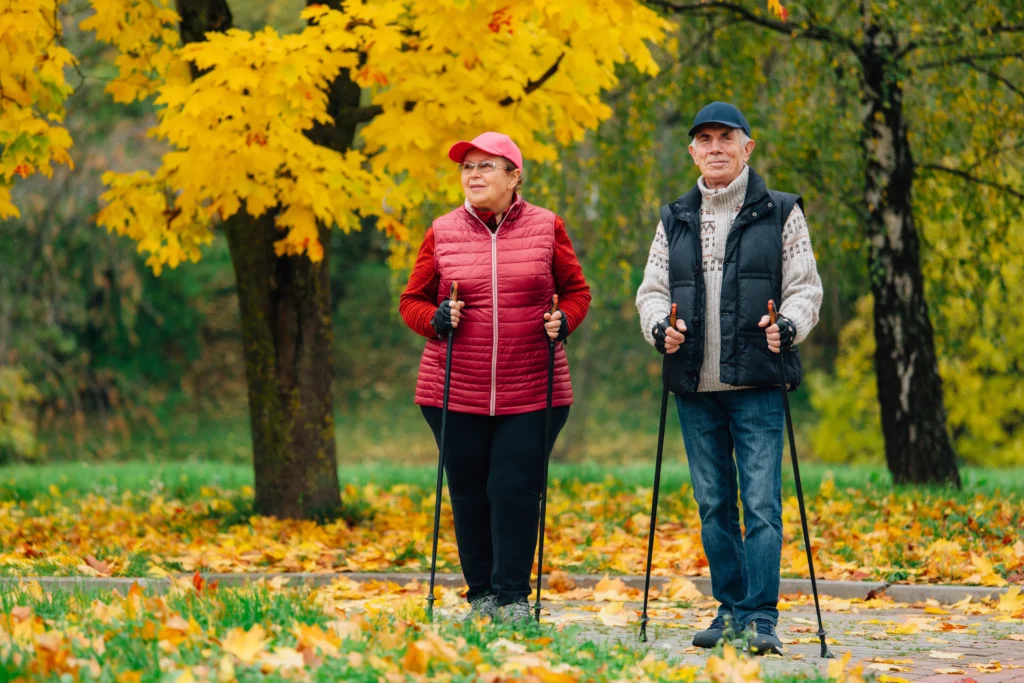
Remaining Independent
Independence is a really vital word in the aging process. Remaining independent as the decades add up is where physical therapy has a large share of its purpose in a society — especially with how many are coping with chronic disorders. When we look at what value a profession brings to society, much can be assessed by noting how a profession keeps a society more able. Physical therapy has the potential to be a vital link to the key phase of a human being’s cycle of action. Sustainment is all about restoring and keeping order in the systems related to bones, muscles and nerves. Training muscle is where the “rubber meets the road”, it is what makes some activity more possible but easier, more efficient and finally more enjoyable as well.
Use It or Lose It — How Do You Recover It?
The matter-of-fact axiom of “use it or lose it” is true but even more pertinent for many is “if you have lost it then how do you recover it?” How do we pull a person — their body, their relative feelings of hope to recover, and the injury — back into efficient movement and function? Your program begins at the point of greatest need and proceeds forward addressing a lack of motion, strength or coordinating all the above so you can advance to the very thing that is “your thing” — being able to engage in your life as you have chosen to live it. It is important to know it is a system of help that results in you being more in the driver’s seat. Our profession’s potential societal value is really unlimited if society recognizes that potential. I have seen it and lived it for nearly 40 years as a PT regarding what people can accomplish with the right help.
Full Potential PT is here to keep you living the best version of your life. This is our purpose. We have been doing it for 29 years and we continue to do it like we have done since our beginning — 1:1 patient to therapist treatment, consistently working with the same therapist, combined with evidence based care to help you arrive where we all want to be in life — independent.
The Aging Challenge
The challenge in the aging process is knowing how to elongate the sustainment phase of human beings’ cycle of action and avoid the premature onset of decline. More and more people are recognizing that our health is the new wealth in living and Full Potential PT is ready to be your partner in maximizing this unique chapter of your life. Our month for acknowledging physical therapy may be in October but we are your resource all year long. All you need to do is call and discuss your problem and step one to your solution has begun.
And if you know someone who is struggling with pain — well, share this article and help them onto the road to a more independent life.

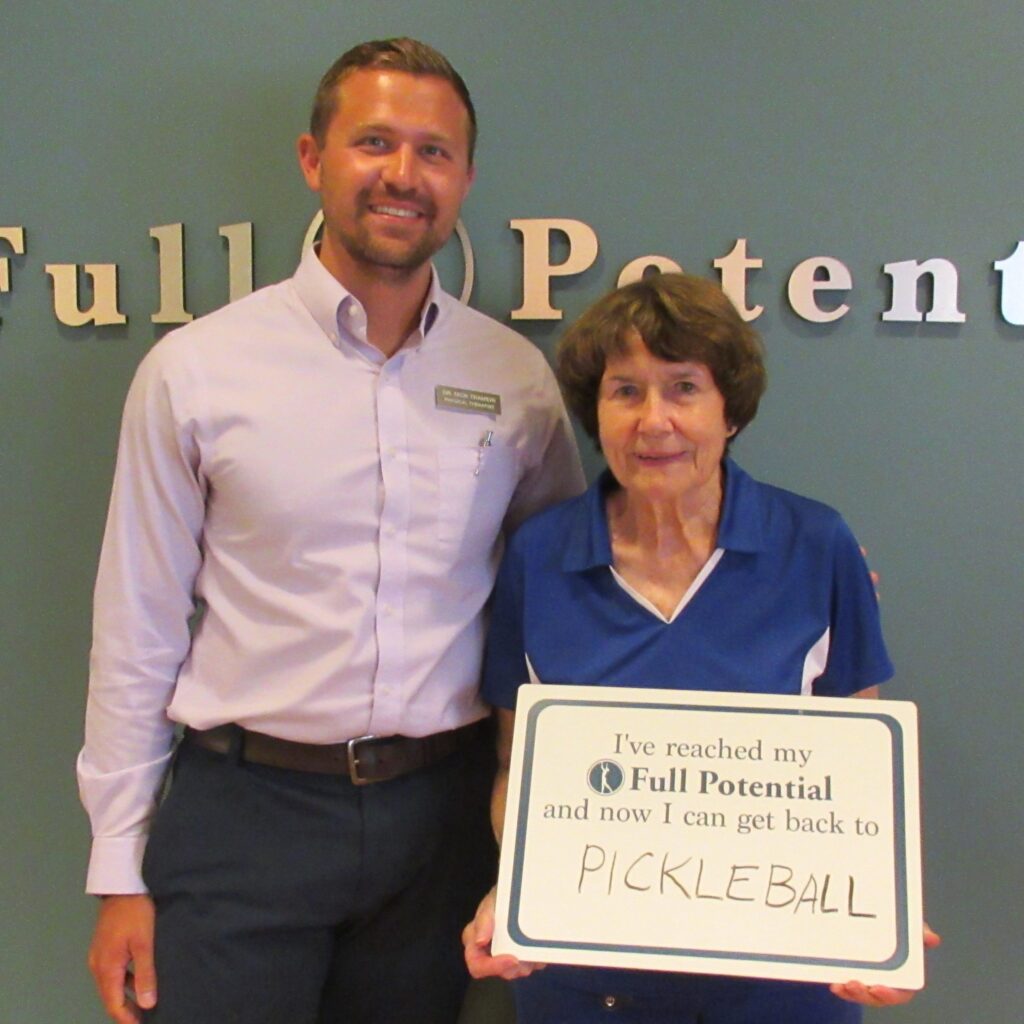
With Physical Therapy, I Can…
“Move about my day without having to adjust. I’m not always thinking about the pain, I sleep much better. My headaches and the tingling in my fingers are completely gone.”
– Valerie
“Run, bike, and weight lift better than previously. I feel 10 years younger.”
– Greg
“Feel much more confident when hiking uneven surfaces/terrain.”
– Lisa
“Do things I love — walking in the woods, walking the beach, using stairs, doing strengthening exercises, lifting weights, and with little to no pain!”
– Lynn
“Bend and move way more freely with minimal to no pain.”
– Kristen
“Swim 3 days a week, about 1 mile each session.”
– Michael
“Be comfortable driving, exercising, and simply sitting. I am more comfortable sleeping on my side.”
– Marilyn
“Navigate stairs with ease, walk the dog without pain, carry groceries in from the car easily, turn over in bed without “thinking about it.”
– Alyce
“Walk faster and farther, wash my back better and more easily, spend more time walking and feel more confident going on my upcoming cruise!”
– Marie
Notes from Our PTs
How has your knowledge of physical therapy changed your routines or habits?
“Before I worked in PT I would often sit slouched for long periods of time watching TV, relaxing, etc. Now that I’ve learned how that can affect the body and the musculoskeletal system, I find myself stretching and moving around more while I’m watching TV, relaxing, playing games, etc. I’ve found it to relieve muscle tension, promote healthy systems in my own body and be able to come to work ready to treat my patients with less fatigue and better energy.” – Kristen, PTA
Use Your End-of-Year Benefits for Physical Therapy!
As the year comes to a close, now is the perfect time to take advantage of your health benefits! If you’ve met your deductible, don’t let those valuable benefits go to waste. Physical therapy can help you manage pain, recover from injuries, and improve your overall well-being.
Whether you’re dealing with arthritis, recovering from surgery, or simply looking to enhance your mobility, our team is here to support you. Schedule your sessions now to maximize your benefits before the new year begins.
Act now — don’t lose out on the care you need! Contact us today to book your appointments and ensure you make the most of your health plan. Your journey to better health starts now!
Exercise of the Month
Bilateral Horizontal Shoulder Abduction with Band
Start by standing up straight and holding one end of a resistance band in each hand. Raise your arms straight out in front of you. Pull your shoulder blades together. Spread your arms straight out to your sides, pulling the band apart. Once you have reached your maximal range of motion, let your arms come back in.

Quick & Easy Healthy Recipe
Sweet & Sour Cauliflower

Easy and healthy Baked Sweet & Sour Cauliflower is a delicious twist on classic sweet & sour chicken or pork and it’s baked instead of fried. You won’t miss meat in this lightened up classic!
Directions:
Preheat oven to 425 degrees. Toss cauliflower and oil in a ziplock bag. Add corn starch and toss to coat again. Transfer cauliflower to a greased baking sheet. Bake for 15-20 min until cauliflower starts to brown on the bottom. Switch oven to broil and cook on high for 3-4 minutes just until tops start to brown. Combine sugar, vinegar, soy sauce, garlic powder, onion salt, and ketchup in a medium sauce pan. Stir and bring to a boil. Whisk together corn starch and cold water in a small bowl until dissolved. Add to pan and stir until thickened, then reduce to low heat. Combine roasted cauliflower and sauce. Serve with steamed rice and top with sliced green onions.
Recipe: www.lecremedelacrumb.com/baked-sweet-sour-cauliflower
Ingredients:
- 5-6 cups cauliflower florets
- 3 tbsp vegetable oil
- 1/3 cup corn starch
- 3-4 cups steamed rice, for serving
- Thinly sliced green onions for garnish
- 3/4 cup sugar
- 2 tbsp soy sauce
- 1/2 cup apple cider vinegar
- 1 tsp garlic powder
- 1/2 tsp onion salt
- 1/4 cup ketchup
- 1 tbsp cornstarch
- 2 tbsp cold water
Let’s Get You Better ASAP!
Don’t let pain dictate your life. Take the first step towards reclaiming your mobility and well-being with our expert support. Start your journey to a healthier you today.