
BALANCE
Are You a Good Candidate for Physical Therapy?
By Luke Vander Zouwen, DPT

Luke Vander Zouwen, DPT
Are you feeling unsteady on your feet? Are you avoiding activities you used to enjoy or feeling fearful about having a fall due to balance concerns? Have you had a recent fall and are worried about it becoming a pattern?
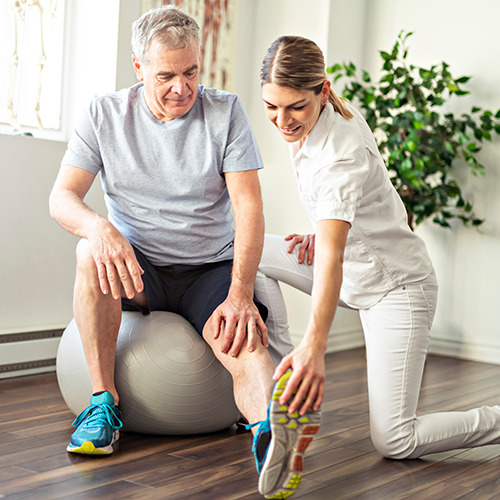
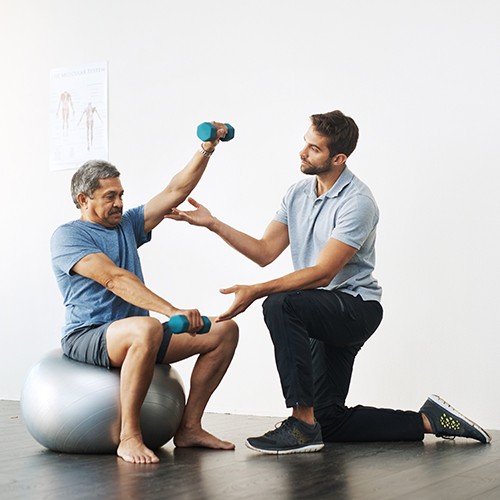
Most people are aware that physical therapy is an option if they are experiencing pain, especially pain with a muscle/tendon/joint/nerve focus. But if you answered “YES” to any of the above questions, you might be a good candidate for physical therapy services just based on your balance!
Balance is a complex interaction between factors including general strength and mobility, inner ear function, sense of body awareness, and visual perception. Everyone loses their balance from time to time (tripping over a crack in the sidewalk, stepping on uneven ground, standing up too quickly, changing direction while walking, etc), but most are able to regain their balance quickly and go about the rest of their day without issue. When these balance losses start to become an issue is when there is a fall related injury or the losses of balance become more and more common, leading to avoiding physical activities that are otherwise healthy.
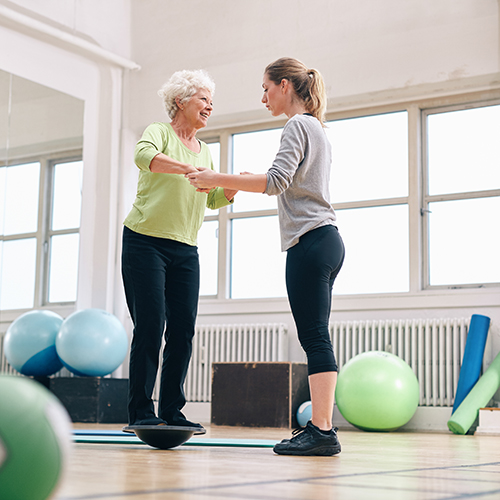
In a lot of these situations, physical therapy can help! Balance is a skill that needs to be practiced and with the right practice it usually gets better. Most often, this practice involves putting you in positions where you can build general strength/mobility or in safe situations where your balance is challenged and you have specific needs addressed. The hardest part about improving your balance is that you often need to feel unsteady during practice. This is hard to do on your own, but as physical therapists, we possess the skills and tools to help you through that challenge and see results.
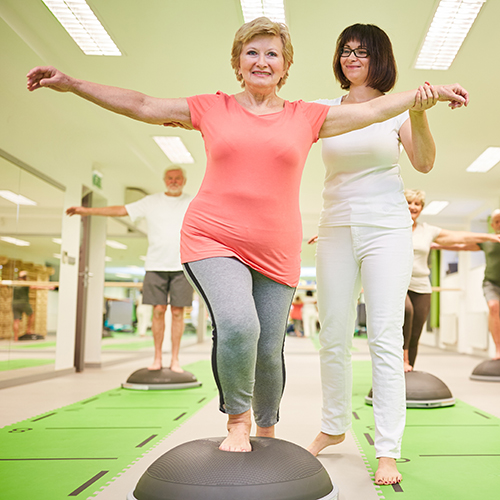
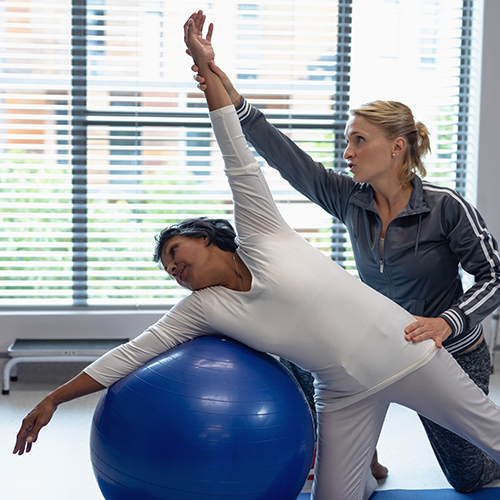
Stop letting balance or fear of falling limit your ability to do the things you need to or want to do! With the right practice, you very well might be able to overcome a lot of your balance issues. Please consider giving physical therapy a try! You are welcome to schedule a free consultation to meet with a therapist to discuss whether or not you are a candidate for PT. Just contact the front desk and ask!

With Physical Therapy, I Can…

“I feel more confident with my balance as a result of my physical therapy. My pain is much improved! My providers both gave me the encouragement I needed to feel safe with the exercises and my overall well-being.” — Mary
“As a result of my physical therapy, I am standing straighter, and my strength and balance have both improved. I enjoyed the way Dr. Nick handled all of the exercises by demonstrating and explaining how to do them, and his help with the home exercises and having them focus on specific areas. Everyone is friendly and makes you feel welcome.” — Jack

Nominations Are Coming!
The first round of 2024’s Community Choice Awards are set to begin on December 2. Historically, our past patients, current patients, and community connections have blown us away with their participation and support. We are looking forward to another year celebrating the wonderful local businesses and services Holland has to offer!
Use Your End-of-Year Benefits for Physical Therapy!
As the year comes to a close, now is the perfect time to take advantage of your health benefits! If you’ve met your deductible, don’t let those valuable benefits go to waste. Physical therapy can help you manage pain, recover from injuries, and improve your overall well-being.
Whether you’re dealing with arthritis, recovering from surgery, or simply looking to enhance your mobility, our team is here to support you. Schedule your sessions now to maximize your benefits before the new year begins.
Act now — don’t lose out on the care you need! Contact us today to book your appointments and ensure you make the most of your health plan. Your journey to better health starts now!
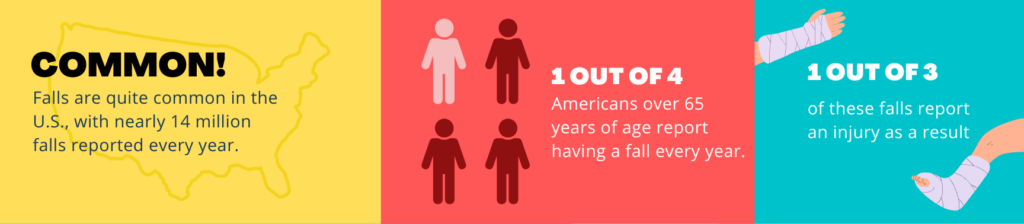
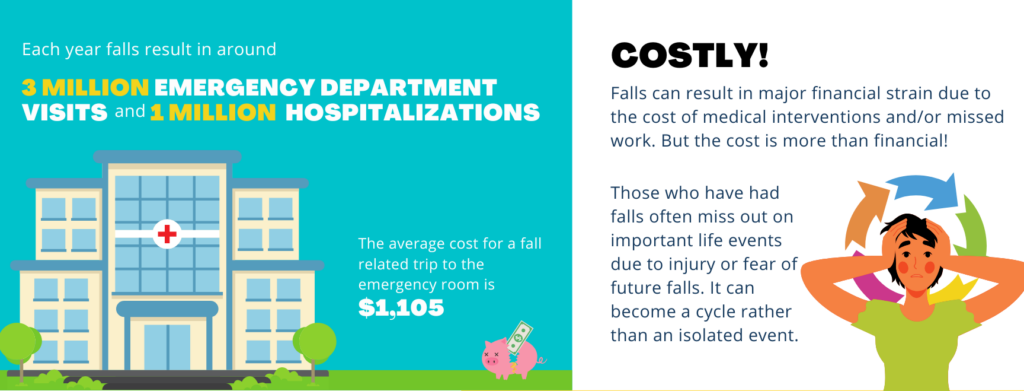
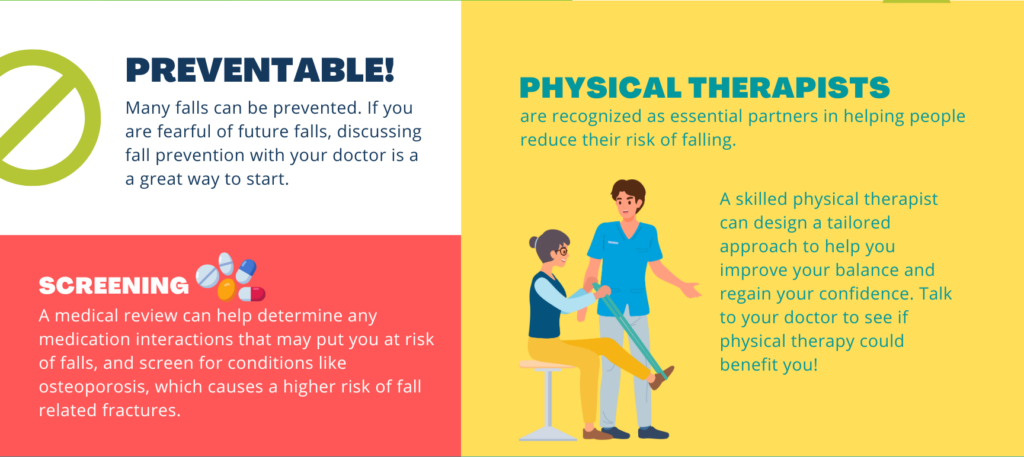
Falls: Common, Costly, Preventable
The body’s strategies for maintaining balance
There are 3 main ways our body catches ourselves when we lose our balance; ankle, hip, and stepping strategy.
1. Ankle — this is used for smaller instabilities or when the foot is well supported.
2. Hip — this is used when a greater force is applied and we are unable to utilize just the ankle strategy to catch ourselves. Our head and hips will move in opposite directions to catch or maintain your balance.
3. Stepping — this is where you will step with your feet to establish a new base of support when the center of gravity moves beyond the original base of support. This is used when both hip and/or ankle are no longer sufficient to maintain balance.
Strengthening Our Hips and Ankles Can Help Us to Utilize the Ankle and Hip Strategies
A few simple exercises to strengthen our hips and ankles:
Hips: glute bridges, clam shells, standing hip extension and abduction, squats and sit to stands
Ankles: single or double calf raises, 4 way banded ankle exercises (plantarflexion, dorsiflexion, eversion, inversion)

Exercises for strengthening hips
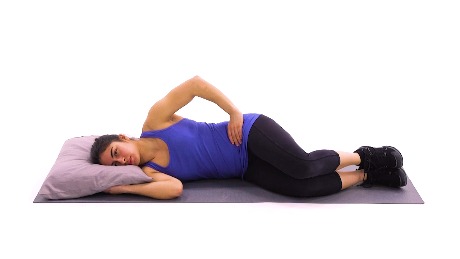
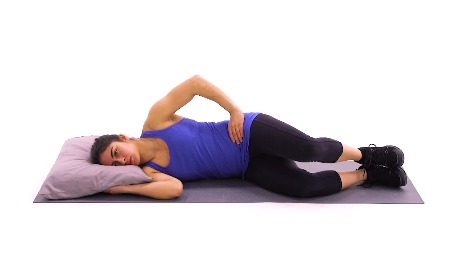
Clamshell
Setup
Begin lying on your side with your knees bent and your hips and shoulders stacked.
Movement
Engage your abdominals and raise your top knee up toward the ceiling, then slowly return to the starting position and repeat.
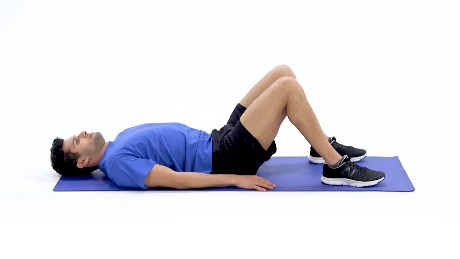
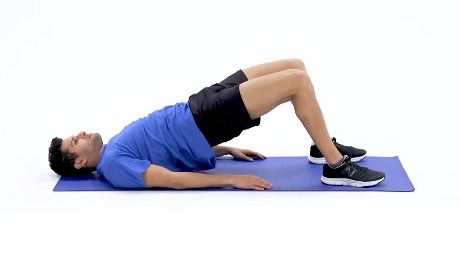
Supine Bridge
Setup
Begin lying on your back with your arms resting at your sides, your legs bent at the knees and your feet flat on the ground.
Movement
Tighten your abdominals and slowly lift your hips off the floor into a bridge position, keeping your back straight.
Environment Modifications
Tips to help make your environment safer:
- Clearing out obstacles or clutter in your home that could be tripping hazards such as removal of rugs and making sure electrical cords are near walls and out of walking paths.
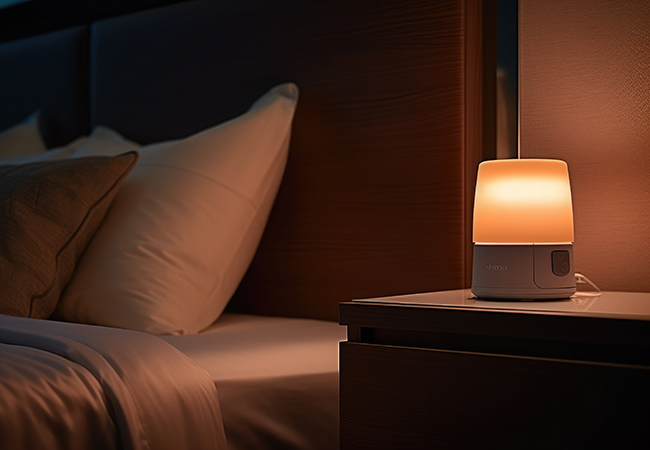
- Having a night light, flash light or light switches close to your bed to ensure you have a well lit room if you need to get up in the middle of the night or early in the morning.
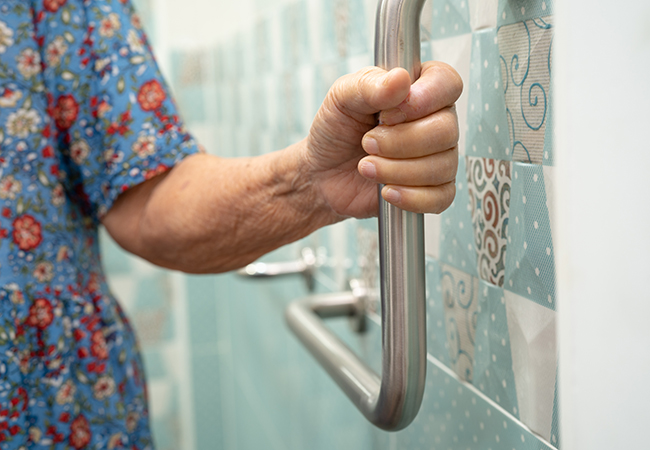
- Having grab bars in place in bathrooms near the toilet and inside/outside of the tub/shower.
- Having a raised toilet seat for ease of performing sit to stands off of the toilet.
- Having access to or utilizing a shower chair for ease with bathing if easily fatigued when standing for long periods.
- Ensure there are handrails in stairwells or entrances of the home.
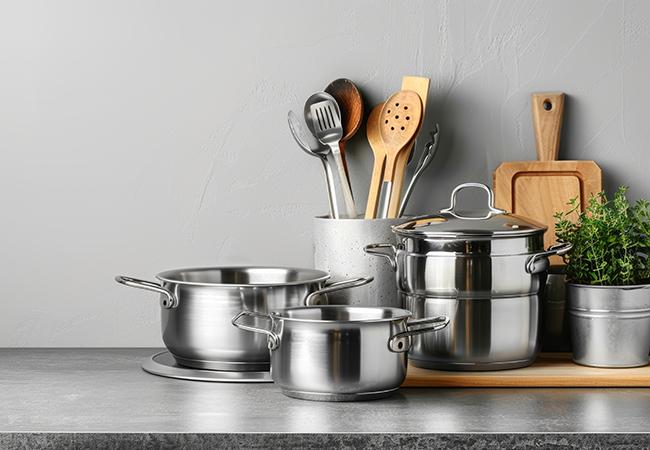
- Make sure frequently used pots, pans, dishes, utensils are stored where they are easy to reach.
- Make sure your chairs and sofas are the right height for you to easily sit and stand from.
Let’s Get You Better ASAP!
Don’t let pain dictate your life. Take the first step towards reclaiming your mobility and well-being with our expert support. Start your journey to a healthier you today.