
Beyond Injuries: Lesser-Known Conditions PT Can Treat
Physical therapy is often thought of as something you turn to after an injury, accident, or surgery — but it can do much more than that. Of course, PT is great for sore joints, pulled muscles, and rehabilitation, but many people don’t realize it can also help with a wide range of other conditions connected to the musculoskeletal system. From chronic headaches and dizziness to jaw pain and even breathing difficulties, physical therapy can offer surprising solutions that improve how your body moves and feels.
It’s common for people to deal with symptoms from these conditions for months or even years without knowing what options they have for treatment or realizing that a PT could help. For example, headaches aren’t something most people would look to physical therapy for relief for!
We’ve put together a guide of some of the lesser-known conditions that physical therapists treat, what those symptoms can look like, and how PT might be able to support you in feeling and moving better.
If something here sounds familiar, you’re not alone! Learning what is possible is often the first step toward relief, and we hope this could be a helpful starting point for understanding your symptoms and exploring new ways to address them.
Headaches and Migraines
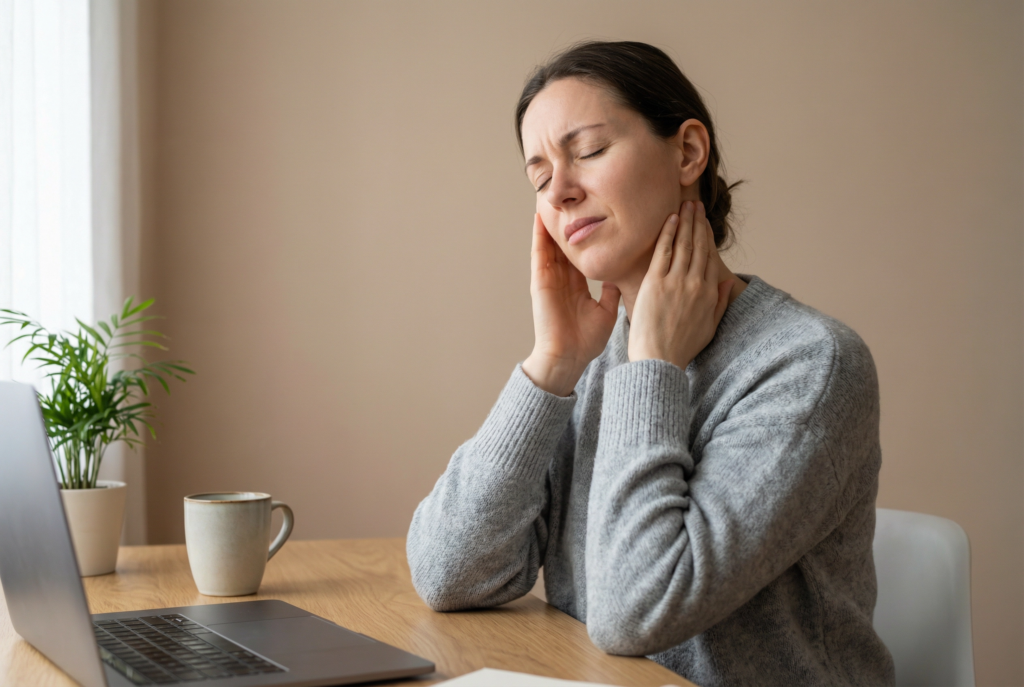
Headaches are often related to muscle tension, poor posture, and stiffness in the neck and upper back. People experiencing tension headaches or cervicogenic headaches may notice symptoms such as pain at the base of the skull, pressure around the temples, stiff neck, light sensitivity, or headaches that worsen after long periods of sitting or computer work.
Physical therapy can help by improving neck mobility, strengthening supporting muscles, correcting posture, and reducing muscle tension through hands-on treatment and targeted exercises. Addressing these underlying factors often helps decrease both the frequency and intensity of headaches.
Patient Success Story
“As a result of physical therapy, I have no severe headaches anymore, and I have stretches and breathing tools to work with in my daily life, plus an understanding of body responses and compensations to be aware of for balance in muscle work. I enjoyed leaving with tools to work with, as well as the relief I was given while at appointments.”
Dizziness and Vertigo
Dizziness and vertigo can be unsettling and disruptive to everyday life. What does vertigo feel like? Symptoms include a spinning sensation (some people describe it as “feeling like the room is spinning”), difficulty focusing the eyes, nausea, unsteadiness while walking, or dizziness when turning the head or rolling over in bed.
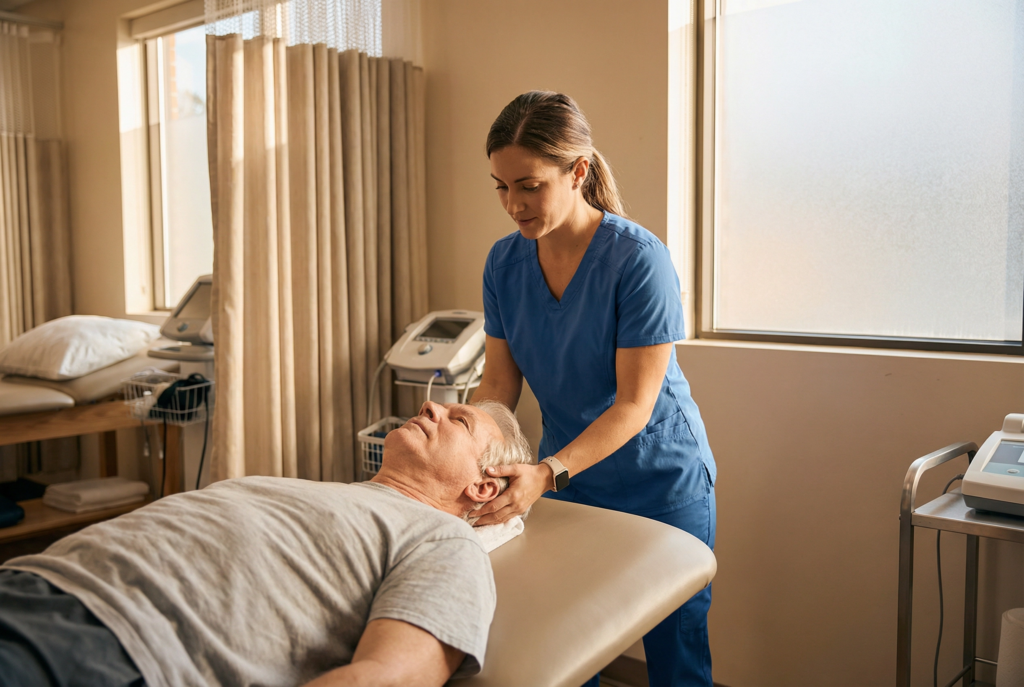
One of the most common types of vertigo is benign paroxysmal positional vertigo (BPPV), which occurs when small crystals in the inner ear shift out of place. Specially trained physical therapists can perform repositioning techniques such as the Epley maneuver to guide these crystals back where they belong, often relieving symptoms quickly. Therapy may also include balance training and gaze stabilization exercises to help the brain adapt and restore stability.
Patient Success Story
“After coming to physical therapy, I now know how to control the vertigo, and I gained strength through neck and back exercises, and other work with the bands to help my arm strength. The staff was friendly, and the doctor was knowledgeable and able to tailor therapy to my needs. I feel I have the tools I need going forward. I enjoyed my time here!”
Prehabilitation
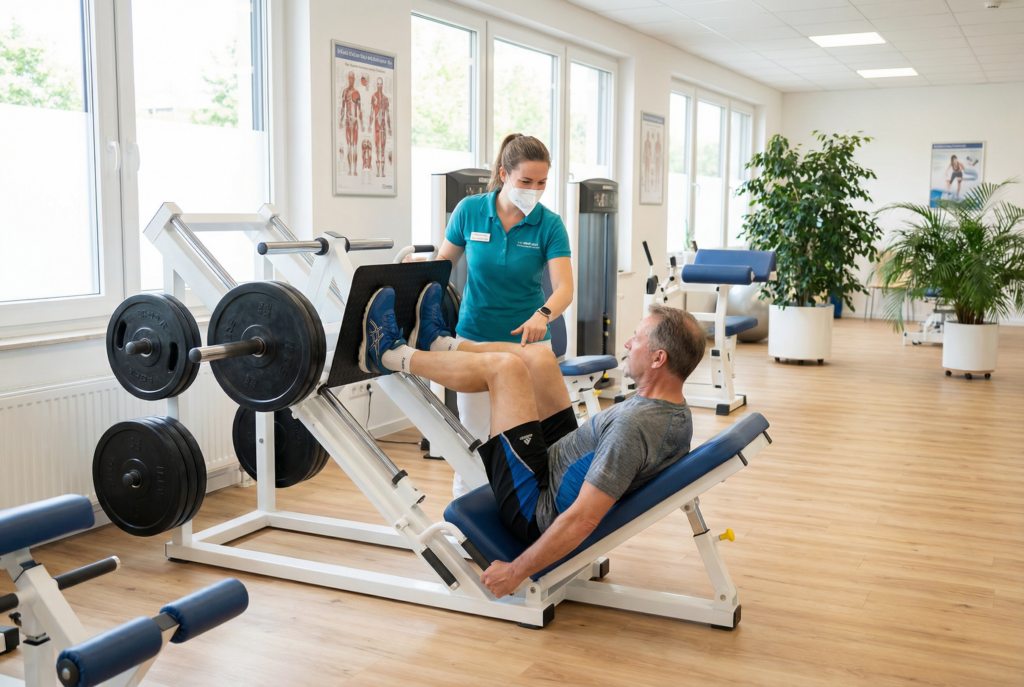
“Prehab” refers to preparing the body before surgery to improve post-operative outcomes. This process focuses on strengthening muscles, improving flexibility and mobility, and optimizing movement patterns before a procedure takes place.
Before needing surgery, patients often experience symptoms such as joint pain, weakness, reduced range of motion, or difficulty with everyday activities. Addressing these issues beforehand can help patients recover faster and regain function more quickly after procedures such as joint replacements or ligament repairs. While prehabilitation is growing in popularity, many people are still unaware that it is an option.
Patient Success Story
“Prior to surgery, PT provided greater range of motion and strength. That made the rehab [after surgery] go much better. I am building back to normal things now, like swimming and resistance work. My PT was great at diagnosing what I needed and designed a detailed and specific program that we continuously adjusted according to my needs. I saw my problem improve 90% overall!”
TMJ/Jaw Pain
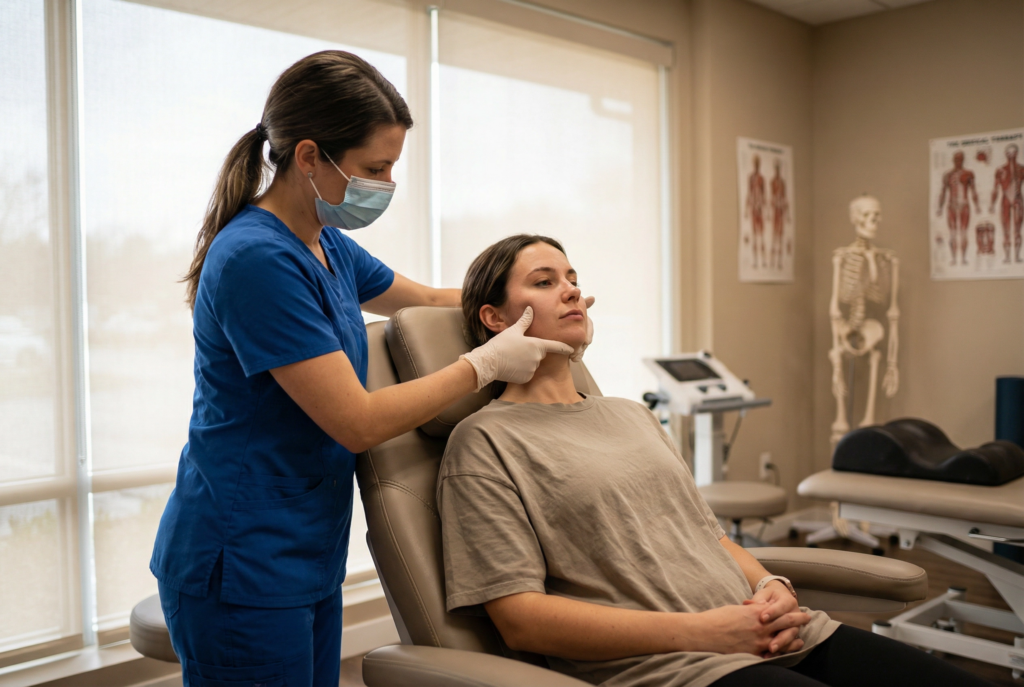
Pain, clicking, or stiffness in the jaw is often associated with temporomandibular joint disorder (TMD). Many people have symptoms less obvious than jaw pain, like difficulty opening or closing the mouth, popping or clicking sounds when chewing, headaches, tooth sensitivity, ear pain, or tension in the face and neck.
Physical therapists can treat the jaw joint and surrounding muscles using gentle manual therapy, stretching, and posture correction. Because the jaw is closely connected to the neck and upper back, improving alignment and muscle balance throughout the area can significantly reduce jaw pain and tension.
Patient Success Story
“Now that I’ve finished PT on my jaw, I have less clenching, fewer headaches, and less pain. I’m able to chew better on both sides, my range of motion has increased and I’ve learned how to deal with issues as they arise in my everyday life. All of my questions have been answered clearly. I enjoyed the conversations with my therapist – I genuinely felt cared about!”
Balance Problems/Fall Risk
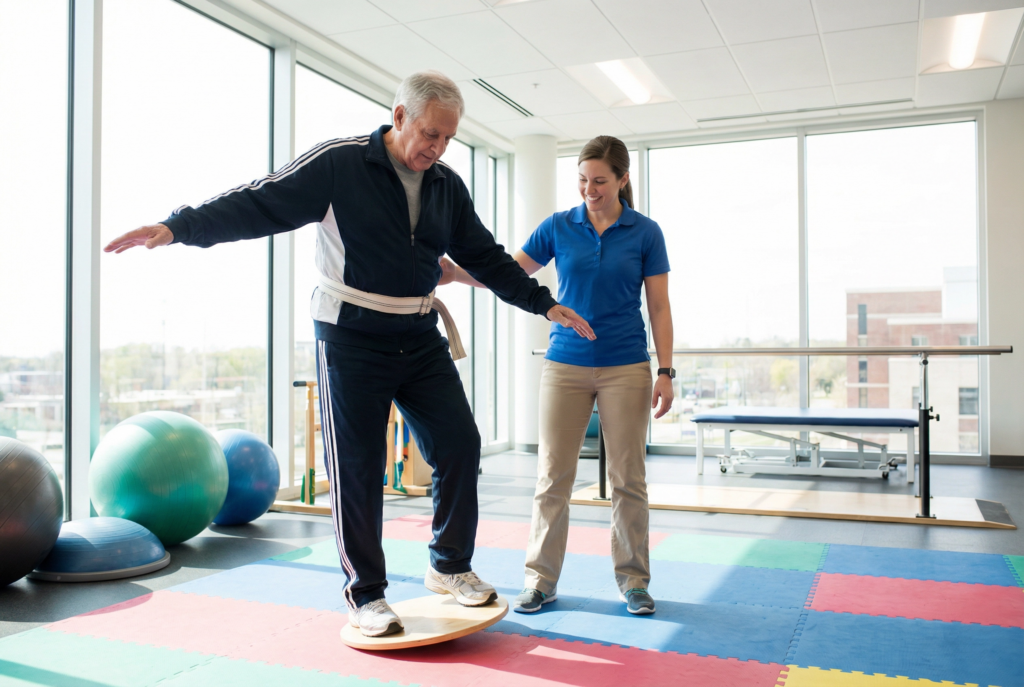
Balance issues can develop for many reasons, including muscle weakness, joint stiffness, changes in vision, inner ear dysfunction, or neurological conditions. People experiencing balance problems may notice frequent stumbling or shuffling, unsteadiness when walking, difficulty navigating uneven surfaces, trouble getting up from seated positions, or fear of falling.
Physical therapy programs focus on strengthening muscles, improving coordination, and retraining the body’s balance systems. For individuals living with conditions such as Parkinson’s disease or peripheral neuropathy, targeted balance exercises can improve stability, increase confidence, and reduce the risk of falls.
Patient Success Story
“After completing physical therapy, I have increased strength in my affected knee, better balance, as well as increased awareness of my balance and proper gait. The PT gave great explanations of the reasons for each exercise, and always asked how the day went after working the “routines.” Personable, professional, prompt, and prepared.”
Plantar Fasciitis
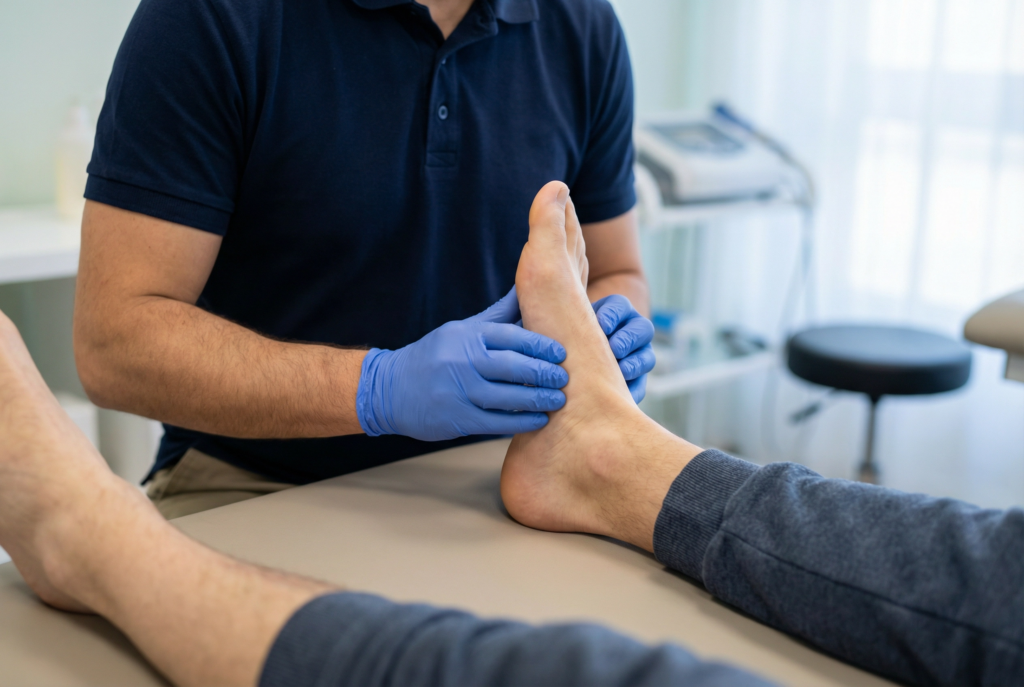
Many people with plantar fasciitis initially try new shoes or inserts to relieve the pain. While these can sometimes help, the condition often stems from tight muscles and movement patterns that place excess strain on the foot.
Common symptoms include sharp pain in the heel, heel pain with the first few steps in the morning, pain after long periods of standing or walking, stiffness in the arch of the foot or the achilles tendon, or tenderness along the arch of the foot.
Physical therapy helps address the underlying causes by stretching tight calf muscles, strengthening the foot and ankle, improving walking mechanics, and using hands-on treatments to reduce strain on the plantar fascia and promote healing.
Patient Success Story
“Through consistent stretching and strengthening, I have gone from barely being able to bear weight on my left foot to being able to play tennis again and take a 2 mile walk the next day without noticeable symptoms in the foot afterwards. I enjoyed the collaborative and individualized approach to treatment at Full Potential.”
Breathing Problems
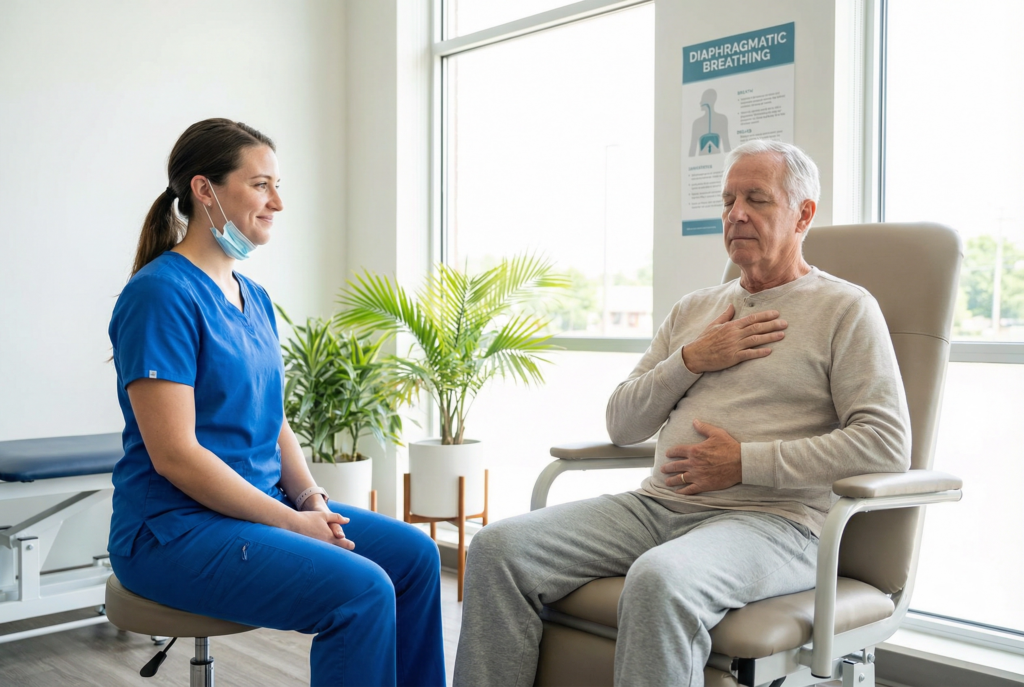
Breathing patterns are influenced by posture, rib mobility, and muscle coordination. When these systems are restricted or not functioning efficiently, people may experience regular shortness of breath during daily activities, chest tightness, or difficulty taking a full breath.
Physical therapy can help individuals with respiratory conditions such as asthma or chronic obstructive pulmonary disease (COPD) by teaching breathing techniques, improving chest and rib mobility, and building endurance. These strategies help make breathing more efficient and support better performance in everyday activities.
Patient Success Story
“My anxiety has lessened thanks to the breathing techniques — learning how to relax as I’m breathing using my diaphragm. I’m sleeping better. No more soreness and very little neck pain. Hardly noticeable as often. Very helpful and useful techniques. I’ve learned a lot and can use what I have learned. Made me feel more confident.”
Arthritis
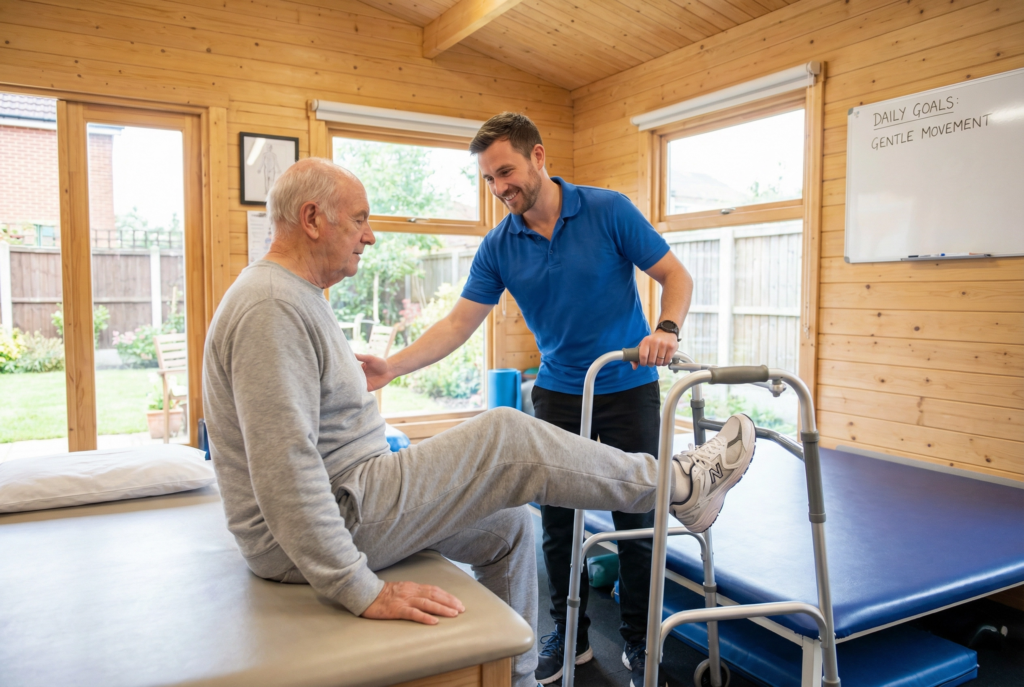
Joint pain caused by osteoarthritis can make everyday activities such as walking, climbing stairs, or getting up from a chair more difficult. Symptoms often include chronic joint pain, stiffness, swelling, reduced range of motion, a grating sensation during movement, and/or pain that worsens with activity or after periods of inactivity.
Physical therapists design individualized programs to improve joint mobility, strengthen the muscles that support affected joints, and reduce unnecessary stress on the body. Guided movement and exercise are some of the most effective ways to manage arthritis and maintain long-term function.
Patient Success Story
“I am able to move better with my daily activities. I have to be religious about doing the exercises that were recommended, but I definitely feel the difference!! Life is better. My PT made it fun even though it was hard work. They were very knowledgeable about the therapy that was needed.”
Myofascial Release
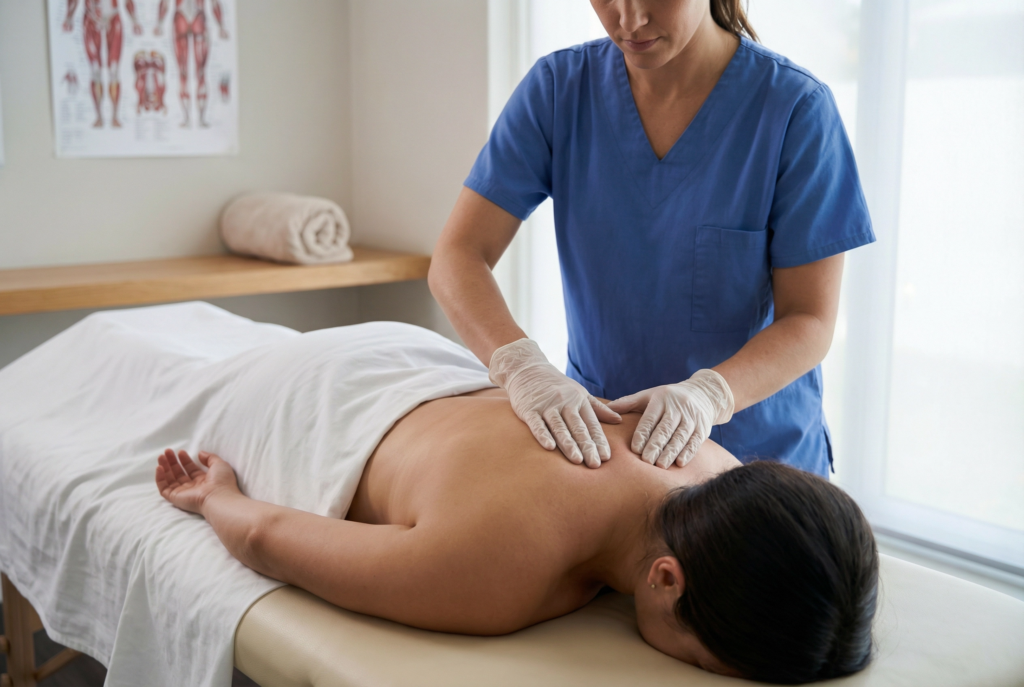
Myofascial release is a hands-on technique used to reduce tension in the fascia—the connective tissue that surrounds and supports muscles throughout the body. When fascia becomes tight or restricted, it can lead to pain, stiffness, and limited movement.
People experiencing myofascial restrictions may notice persistent muscle tightness, tender trigger points, reduced flexibility, tension that doesn’t improve with rest, or discomfort that seems to travel to other areas of the body. Gentle sustained pressure helps release these restrictions, improving mobility and relieving discomfort. This technique is commonly used for conditions such as myofascial pain syndrome or fibromyalgia, but it can also benefit many other musculoskeletal conditions.
Patient Success Story
“Learning what my trigger points are and what muscles need to be strengthened has been a big help. It’s good to know what I can do about it too! My PT has such wisdom and understanding. Her kindness and treatment is done so professionally.”
Physical therapy is about much more than recovering from injuries—it’s about improving how the body moves, functions, and feels in everyday life. Many negative or disruptive symptoms people experience can often be traced back to movement patterns, muscle imbalances, or joint restrictions, which can all be addressed by a movement specialist.
By identifying the underlying cause of these issues, physical therapists can create targeted treatment plans that help reduce pain, restore mobility, and improve overall quality of life. If you’re experiencing any of the symptoms described above, a physical therapy evaluation or a consultation may be an important first step toward feeling better and moving with confidence again!
Can you get PT without a referral?
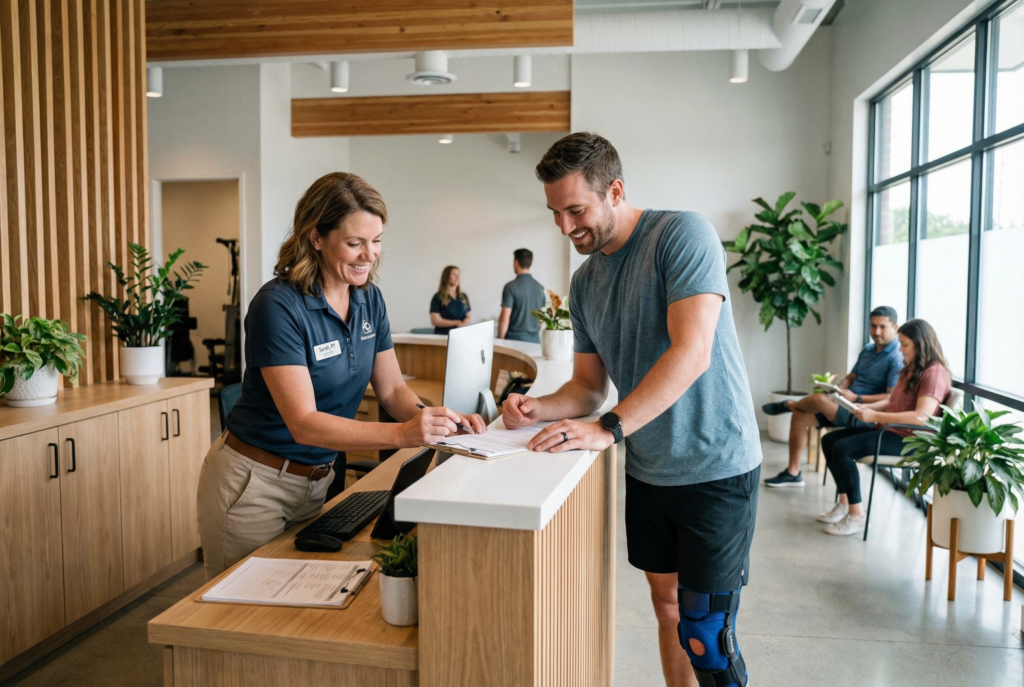
We encourage patients to address symptoms early, but we know that waiting for doctor’s appointments and referrals can take time. Did you know that in Michigan, you may not need a doctor’s referral to start physical therapy?
Depending on your insurance, you might have direct access to PT. This allows you to schedule an evaluation—and a limited number of follow-up visits—without a referral, helping you get faster relief for your symptoms.
With direct access, physical therapists can assess and diagnose movement-related conditions and create a personalized treatment plan. They are also trained to recognize when a condition needs additional medical care, so your treatment is safe and coordinated.
Another option is a free consultation with a physical therapist. A consultation isn’t treatment, but it’s a chance to get your questions answered and see if PT could help your symptoms. And depending on your preference, your PT can also send a visit note to your physician to help coordinate your care.
Both direct access and consultations are designed to make it easier for you to get the guidance and support you need. If you want to know whether you qualify for direct access, or if you’re interested in a consultation, give our office a call. Our team can walk you through the process and help you choose the best option for your needs!
Ask a PT
Welcome to our “Ask a PT” feature! This is your go-to spot in the newsletter to get real answers to everyday questions about the body, movement, and feeling your best. Whether you’re dealing with an injury, wondering how to stay active, or just curious about how physical therapy works, our team of physical therapists is ready to help. Each month we’ll share responses, tips, and answers based on questions from you, so if there’s something you’ve been wondering about, don’t be shy! Send it in – we’d love to hear from you!
Q: Does it count as interval training if I walk really fast when I’m running late?
A: Yes, it does! It’s called “panic cardio.” It’s a combination of unpredictable bursts of speed, an elevated heart rate, and really steep emotional stakes. While highly effective, it’s not the most relaxing training plan. While the need for speed comes up regularly for those of us who fall behind schedule, if you want similar benefits without the stress, try intentional interval training. Alternating 30-60 seconds of fast walking with a minute of comfortable pace can give you the same cardio boost without the scheduling crisis.
Q: I always carry all my groceries in one trip, can I count that as strength training?
A: Absolutely. This is a well-known training method called high-stakes functional loading. The resistance load is variable, the grip challenge is real, and the consequences of failure are immediate and devastating (see: eggs). For best results, maintain good posture and resist the urge to hook every bag onto a single finger like a champion. Keeping the weight distributed evenly between both hands mimics an exercise called “farmer’s carry,” and is a great example of why we need strength in our daily lives. If it feels too easy, that’s your sign to graduate to actual weights (or buy more groceries).
Q: If muscles grow during rest, should I just skip workouts and focus on elite-level napping?
A: A bold strategy! Unfortunately, muscles need a reason to grow in the first place, so without exercise, you’re just becoming exceptionally well rested… which, to be fair, is its own win. The real trick would be to pair short, challenging workouts with good sleep and a balanced diet. Think of rest as the “builder,” but training as the “blueprint.”
Q: If I walk backwards everywhere I go, will I age slower?
A: While it might feel like you’re slowing down time, your cells will remain unimpressed. Walking backwards is actually a very useful balance and coordination exercise (for the body and the brain!), strengthens different muscles, and even helps improve joint stability. Unfortunately, it doesn’t turn back the clock. It may, however, increase your chances of running into things that are behind you, so be sure to practice somewhere safe.
While these questions may not have been real, we hope you picked up a few tips about real exercise techniques, real recovery strategies, and the very real importance of being able to perform functionally in your day to day! Things like carrying the groceries or hurrying when late are very essential functions that, once gone, are missed. We hope we left you with a little bit of a laugh, and maybe a little inspiration to work on recovering any mobility you may have lost.
We’ll be back next month with more legitimate answers. If you’ve got questions, please submit them with the form below and we’d love to answer you! Happy April Fool’s!
Reflections on 10 Years as a Physical Therapist
In July of this year, I will have been a licensed physical therapist for 10 years. All of these years have been at Full Potential Physical Therapy. I thought it apt to reflect on these 10 years and share some of why I still enjoy my job and my profession. I’m a list maker, so what better way to gather my thoughts than in bullet point form!
- Every day I am able to see how amazing our human bodies are. Anatomy and physiology textbooks only really scratch the surface when it comes to explaining the wonder of our bodies. From the musculoskeletal system to the organ system to the nervous system, we can do amazing things. Not to mention the ability to heal! I get to witness this on a daily basis.
- I have had the privilege of getting to know thousands of individuals in the Holland, MI area. My job allows me to have personal time with people, and every single one of them has a story to tell. It’s been an honor to get to know some fascinating folks over the years.
- As a physical therapist, I get to see change! It is a pleasure to see meaningful improvement in people’s quality of life. From pain reduction to functional improvements, witnessing people make positive changes in their lives is so incredibly gratifying and I’m grateful to be able to play a role in this change.
- Physical therapy is a profession that challenges me all the time! I am constantly learning and adapting to develop my understanding of how to make physical therapy work for the individuals I see. This is exciting!
On top of my passion for physical therapy, I’ve also chosen to stay with Full Potential for the past 10 years. This is not simply out of convenience or lack of other options. I truly believe in our company’s mission; “To assist the people in our community in overcoming their physical limitations by empowering them to a high level of ability and understanding through effective individualized care, educational training, and personalized home exercise programs.”
Get ready — here comes a list of why I love working at Full Potential.
- In the BIG medical landscape, we are a small company. I like that I can speak directly to anyone on staff and I can know my co-workers on a personal level. This allows for streamlined care for our customers, and also the privilege of feeling like a valued member of a team.
- As a company, dedication to on-to-one clinician-to-client care has remained a priority, even in a world where this is not always the most profitable business practice. The world of physical therapy is changing and at times profit is valued more than patients achieving excellent results. I believe Full Potential provides ethical physical therapy by prioritizing individualized care, and I don’t foresee this changing any time soon!
These lists are by no means all encompassing, but they are some of the first thoughts that come to mind as I sit down and think about this past decade. Thanks to all of you who have been part of my journey as a PT and as a person!
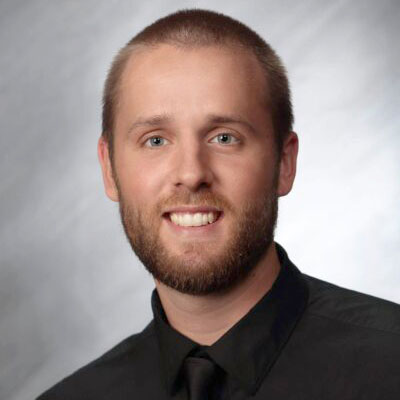
– Luke Vander Zouwen, DPT

Voted Holland’s Best Physical Therapy Clinic in the Community’s Choice Awards for the 10th year in a row!
We’re thrilled to share some incredible news — Full Potential has been named Holland’s Best Physical Therapy Clinic in the Community’s Choice Awards for the 10th year in a row! Thank you Holland!
A decade of this recognition is something we don’t take for granted. It’s a milestone that fills us with both pride and gratitude, because it reflects the continued trust and support of the community we’re so honored to serve.
What began as founder and PT Vince Hanneken’s personal journey to helping others has grown into something much bigger — a team committed to helping people move better, feel stronger, and get back to the lives they love. Every patient, every story, and every success along the way has played a part in shaping who we are today.
Winning this award year after year isn’t just about consistency (which of course, is a backbone of physical therapy!), it’s about connection. It’s about the relationships we build, the care we provide, and the belief we share that every individual has the potential to improve and thrive.
This achievement belongs just as much to our community as it does to our team. Every visit, every referral, every kind word, and every vote has helped make this possible, and we are truly thankful to be supported by such an incredible network of support. To our past patients, we thank you for continuing to take the time to support us in the big ways and the small: by going to bat for us in nominations and voting, recommending us to your friends and family, and by continuing to choose us for your PT needs. We appreciate each of you!
We’re excited to celebrate this moment, and even more excited to keep doing the work that makes it all possible.
Thank you for 10 years of allowing us to give our best to Holland 💙